7.12.2007

"And I Thought It Wouldn't Last" (PhotoQuote of the Day)


via my new favorite site Planet Hiltron
(devoted to creative demonstrations of the 21st century principle
that PhotoShop is the gift that keeps on giving)

click image to be routed to full post

And just cuz she proved herself so popular last week...


7.11.2007

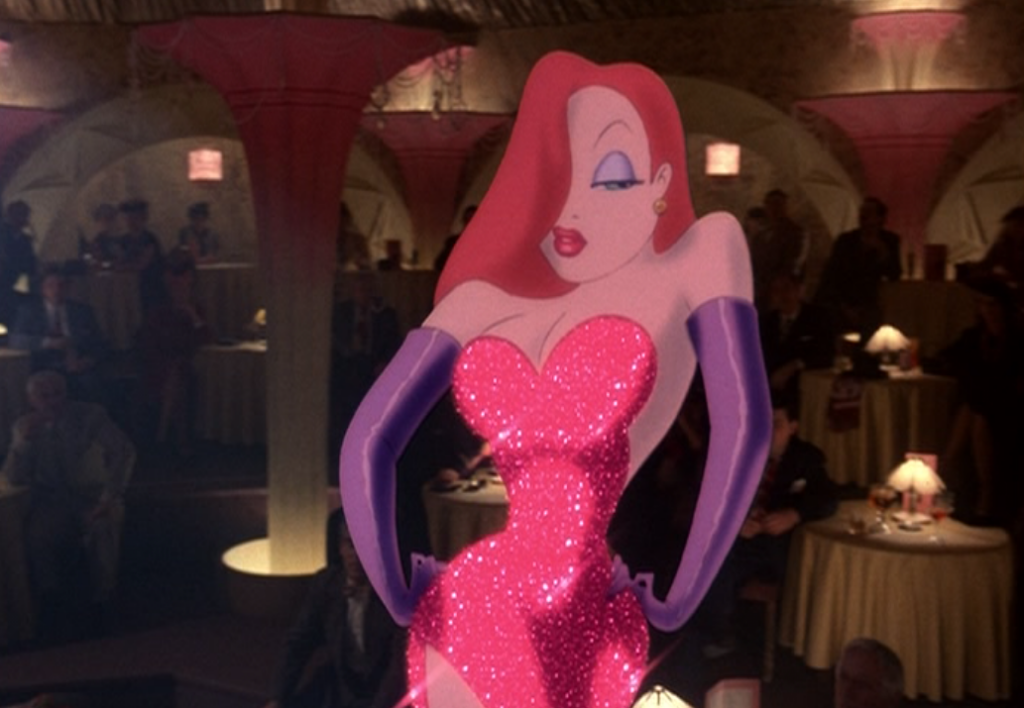
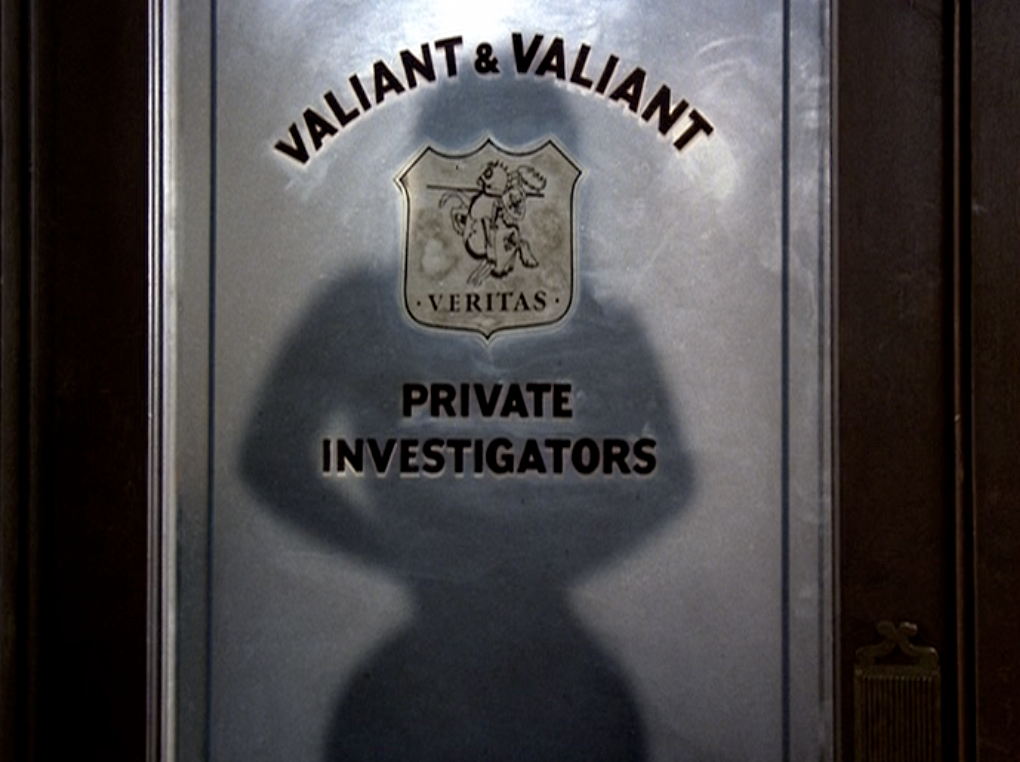
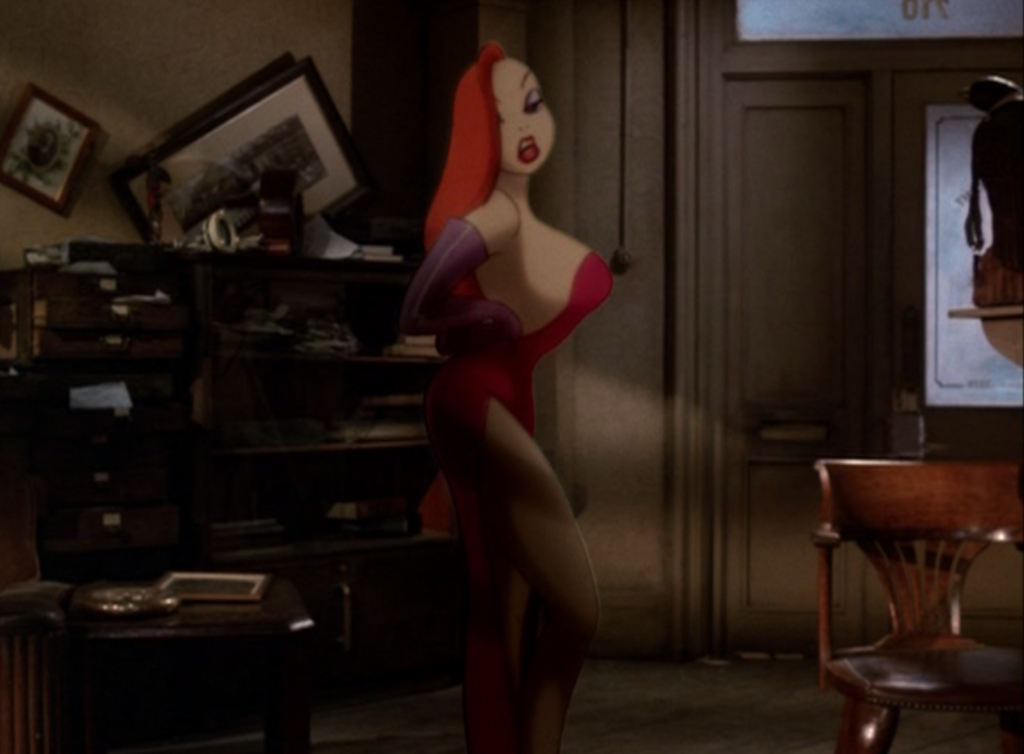
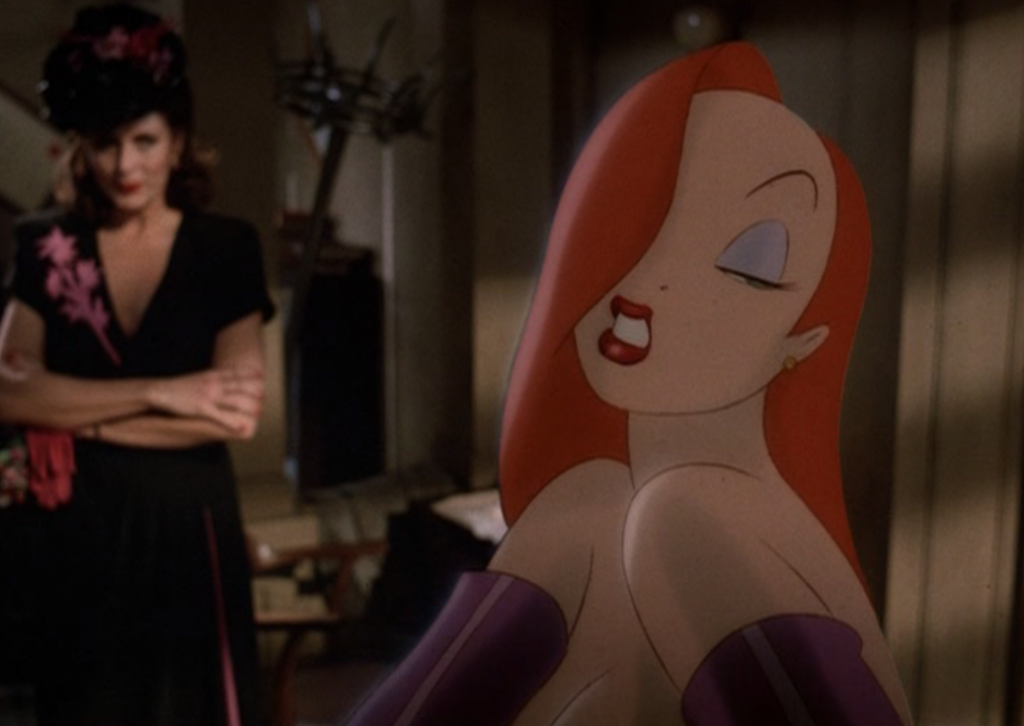
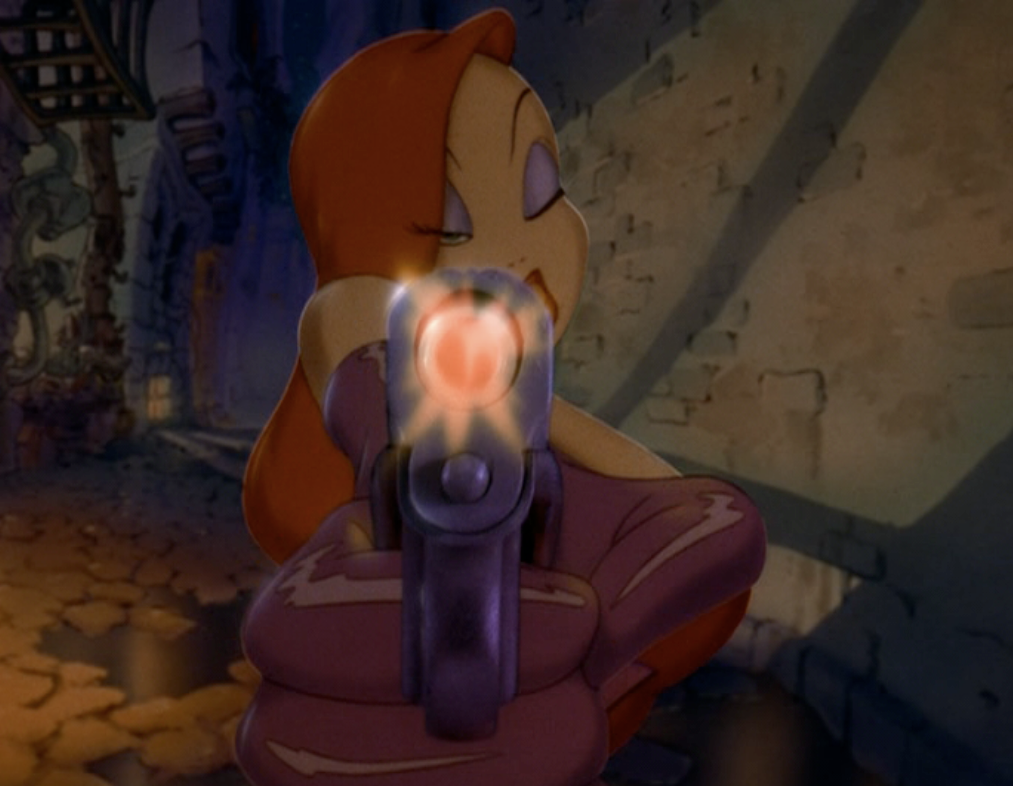
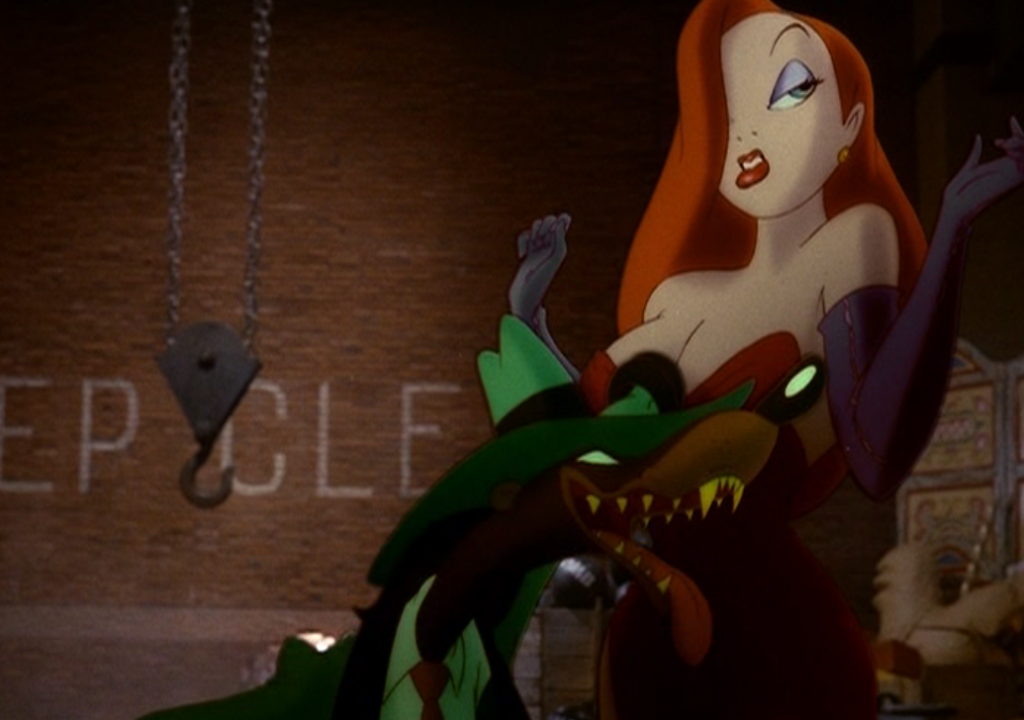
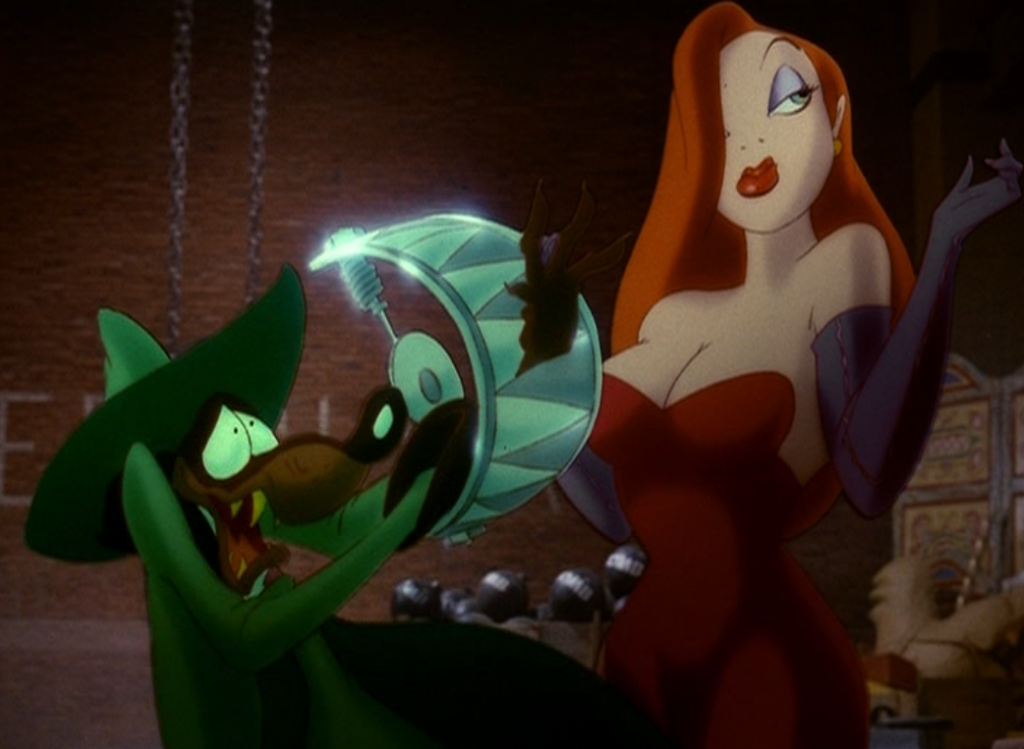
Jessica Rabbit in Who Framed Roger Rabbit? (1988) - The Overlooked Supporting Actresses (By Request)

When I had the bright idea to configure a poll to determine which Overlooked performance of 1988 I would feature in July, I had no idea I would be faced with the challenge of a now iconic animated character, voiced by not one but by two amazing actresses. (I added the film to the list of options in the spirit of inclusion, listing the performances that critics and audiences singled out in 1988 and in the years since.) But really. Leave it to my lovely readers to challenge my profiling abilities by requesting a performance like that of...

approximately 11 minutes and 41 seconds
10 scenes
roughly 11% of film's total running time

Who Framed Roger Rabbit? blended live-action and animation at a moment in American filmmaking in which the future of the animated feature seemed anything but certain. The film provided the genre's first real boost of audience interest (Disney's The Little Mermaid was still a year out, and the radicalizing arrival of Pixar and computer animation were well into the horizon). In 1988, Robert Zemeckis's high-style genre fantasy -- pitched equally to kids and to adults -- took risks that left critics and audiences alike a little puzzled. Would the kids appreciate all the pop culture inside jokes and oblique genre references? Would the grown ups accept the absurdity and over the top fantasy of its high-concept construction? Nearly 20 years later, with Ratatouille receiving the first general raves of 2007, such concerns seem precious. Making Zemeckis's film seem all the more prescient. But, more than anything, the character of Jessica Rabbit seems to be the biggest harbinger of everything that was to come.

Jessica Rabbit is the the va-va-voluptuous wife of Toon star Roger Rabbit, the crazy kooky comedy star in an imagined Hollywood of the past (which looks and sounds an awful lot like Hollywood in the noir days of the late 1940s). When Rabbit is implicated in the murder of his boss, a gumshoe PI (Bob Hoskins) gets swept up in the internecine intrigues of Toon Town and Hollywood.

A plot summary is beyond me, but -- suffice it -- Jessica Rabbit is the mysterious bombshell who Hoskins's Valiant pursues to crack the case. A femme fatale in Vargas style, Jessica Rabbit blends elements of Hollywood's most revered damsels and dames, past present and future.

Jessica Rabbit's an extraordinary visual concoction, and her attributes contribute a welcome sense of focus to the generally manic picture. The gag is that all men stop to stare when Jessica arrives to the screen, and this running gag actually serves the picture in an important way by slowing the generally manic action just a little whenever Jessica's onscreen. The result? Not only is Jessica an extraordinary and pleasing presence, but it's also something of a relief when she takes the screen.

As voiced by an uncredited, wryly sexy Kathleen Turner (Amy Irving does the singing - also anonymously), Jessica Rabbit emerges as an surprising foremother to the many animated performances that, in the decades since Roger Rabbit, have been constructed around distinctive celebrity voices. Kathleen Turner's distinctive raspy alto -- itself one of the most talked about voices of the late 1980s -- combines with Jessica Rabbit's hyperbolically animated curves to create a character that's both larger than life and also curiously, plausibly real.

Jessica Rabbit's most famous line, perfectly rendered by Turner -- "I'm not bad; I'm just drawn that way" -- situates Jessica Rabbit in a kind of meta-reality that would become nearly run-of-the-mill in the computer animated era. Only through animation could Hollywood make those curves look so real.

Viewed in 2007, the green-screen seams of Roger Rabbit's construction do at time show. And some character choices (Jessica's scream upon seeing the Dip) do seem oddly "out of character." But screening Jessica Rabbit's "performance" now, I'm struck by how pivotal a character she is, not only within the narrative of the film but also in the ways animated features have come to appreciate the multiple dimensions of the "animated performance." (It's worth noting that three of the most legendary female voice artists have cameos in Roger Rabbit -- Mae Questel, Nancy Cartwright, and the incomparably brilliant June Foray -- which is oddly poignant, given that this film might well have marked the beginning of the now banal trend of using celebrity voices in animated features...a practice that has radically diminished the amount of work available for old voice acting pros like June Foray.)

So, thank you, lovely readers, for routing my attentions to this surprisingly significant supporting performance at the edges of 1988. I'm not sure I'd call it actressing but whatever it is, it's a wowza.


"Nice booby trap."

7.10.2007

To Dos Day

___ Item 1: TURN chartreuse...
...with mild envy of StinkyLulu's weeklong masterclass adventure with this reigning performance art diva.

___ Item 2: FLUSH...
...Fort Lauderdale Mayor Jim Naugle. Details here. (Via The Gist).

___ Item 3: REVEL...
...in recapaliciousness with the Big Brother Trifecta, featuring QTA, ModFab and Tapeworthy. StinkyLulu's a BBB (Big Brother's B*tch) from way back, and this trifecta is delivering a perfect blend of reportage, snark and reverie. If you watch, then you must follow the Big Brother Trifecta.

___ Item 4: PERUSE...
...the diverse brilliance assembled by Emma's Performance That Changed My Life Blogathon. Frankly, Emma's blogathon premise is among the most interesting Lu's yet encountered & the varied entries demonstrate that. Among Lu's faves include entries by CINEBEATS, Self Styled Siren, Nathaniel, and Stale Popcorn...but the whole roster's definitely worth a read. (See StinkyLulu's entry a few posts down or here.) (SEE ALSO CRITICLASM'S MUST-READ LATE ENTRY!!!)

___ Item 5: SHAKE you groove thing...
...to the many melodious marvels assembled by ModFab's "The Top Songs of the Year (Thusfar)". StinkyLulu was pleased to be among the contributors, proudly representing the contemporary folky pop contingent. And, truly, if you haven't listened to Jay Brannan yet -- you just should.

___ Item 6: CHECK BACK...
...on Wednesday for StinkyLulu's first installment in the "Overlooked Supporting Actress '88 - By Request" series, featuring a profile of the overwhelming vote getter in the first round of polling. Suffice it - you do know how to test an actressexual, lovely reader...

Have at it, lovelies...

7.08.2007

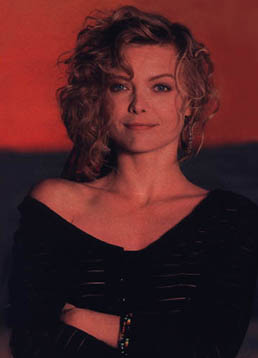
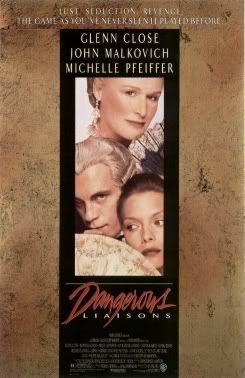
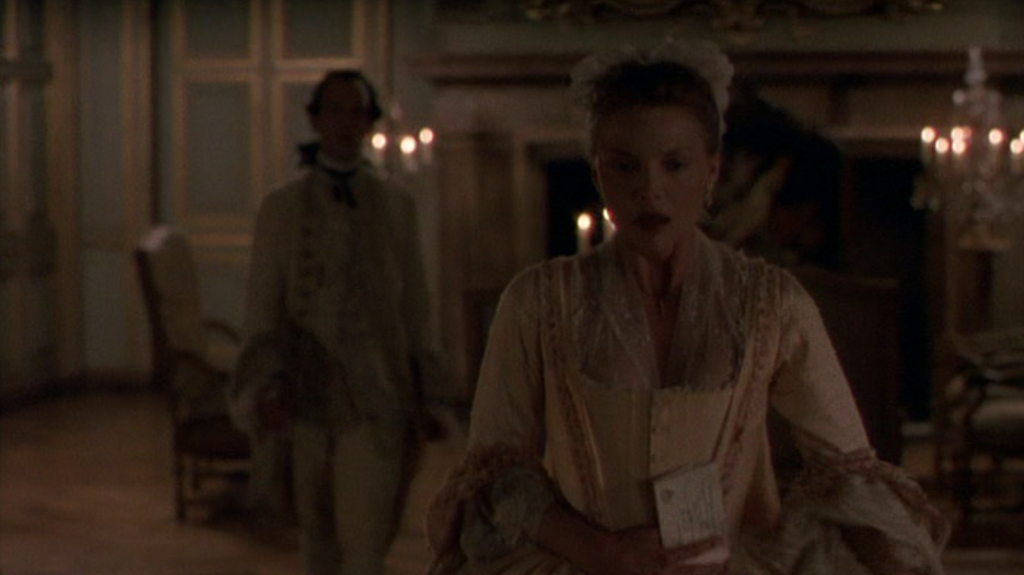
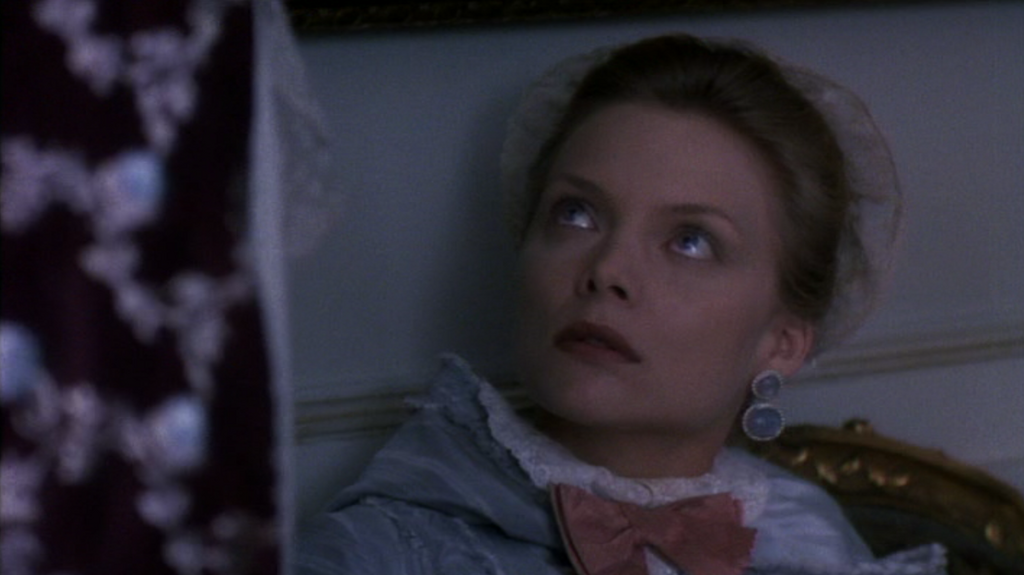
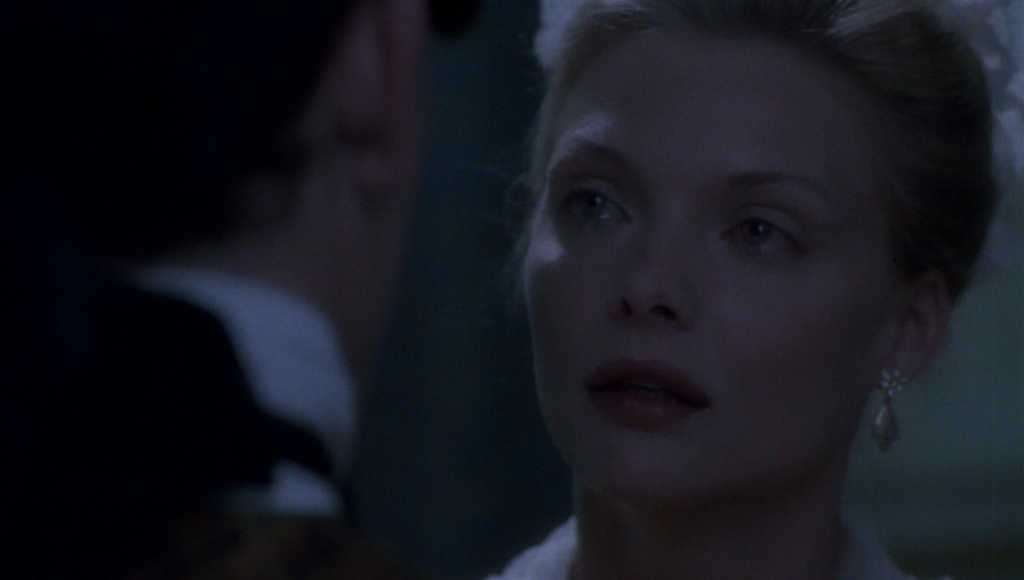
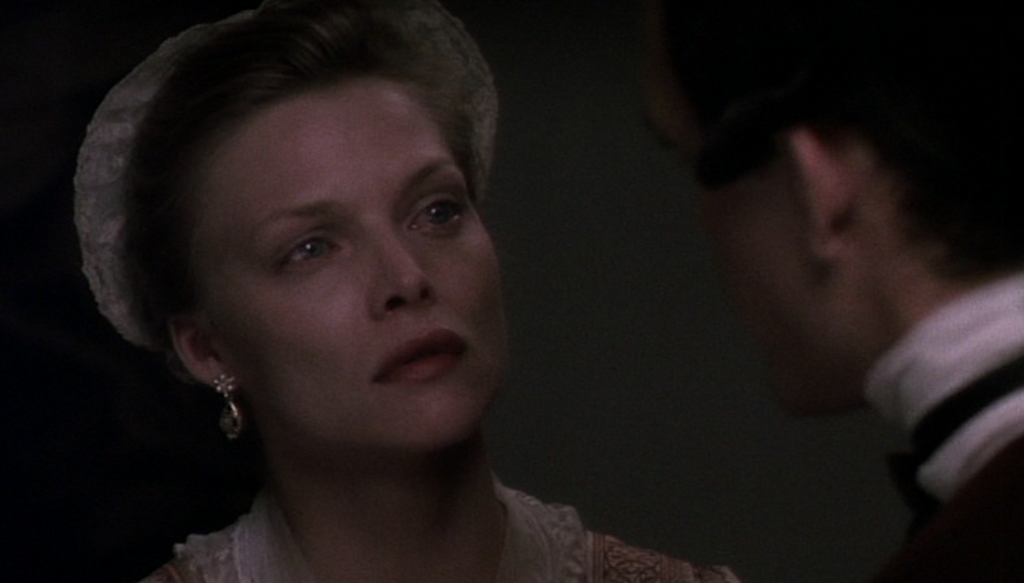
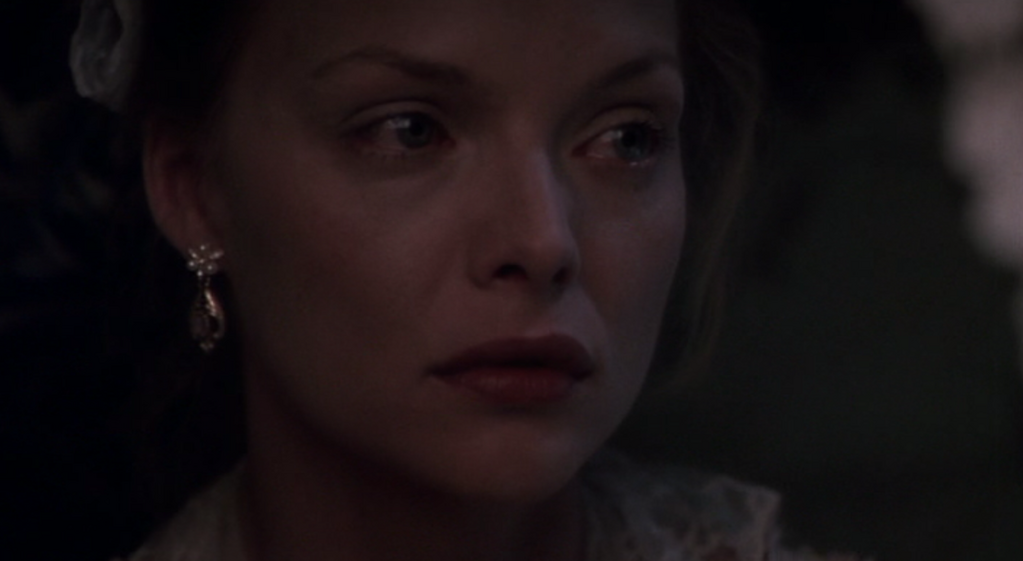
Michelle Pfeiffer in Dangerous Liaisons (1988) - Supporting Actress Sundays

This week's Supporting Actress profile brings us to a vicious, cruel, internecine narrative of deceit and betrayal. Little wonder this quaint little portrait of emotional sadism been enduringly popular for centuries, having been retold and reinvented in so many many ways. And though the blithely conventional 1988 U.S. version is hardly my favorite (that honor belongs to the delicious 1999 adaptation), Stephen Frears's frilm does boast a few minutes of sheer transcendent brilliance at the very end, as well as the official arrival to "Serious Actressness" of one of the greater leading ladies of the last two decades...

approximately 31 minutes and 57 seconds
31 scenes
roughly 27% of film's total running time

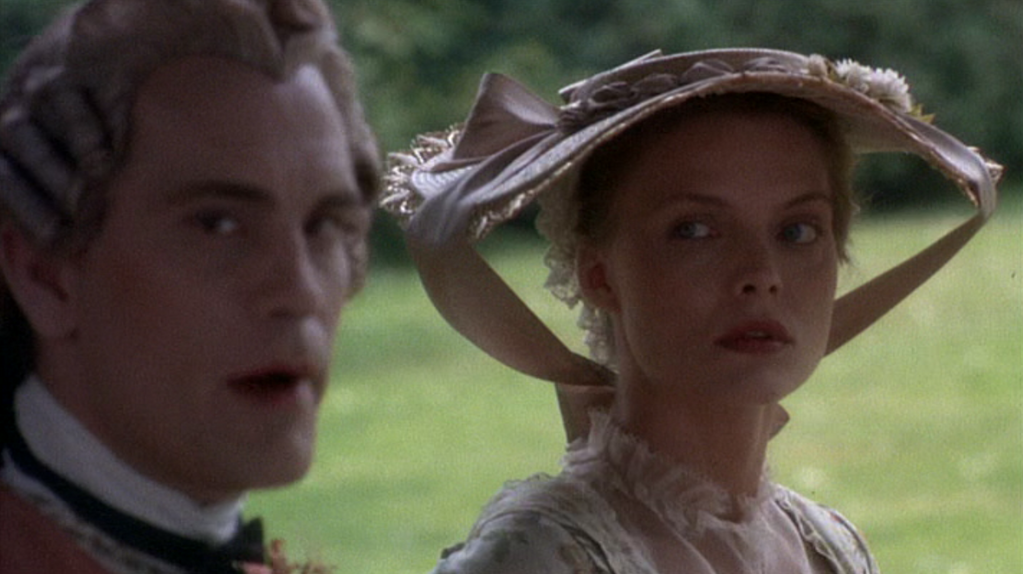
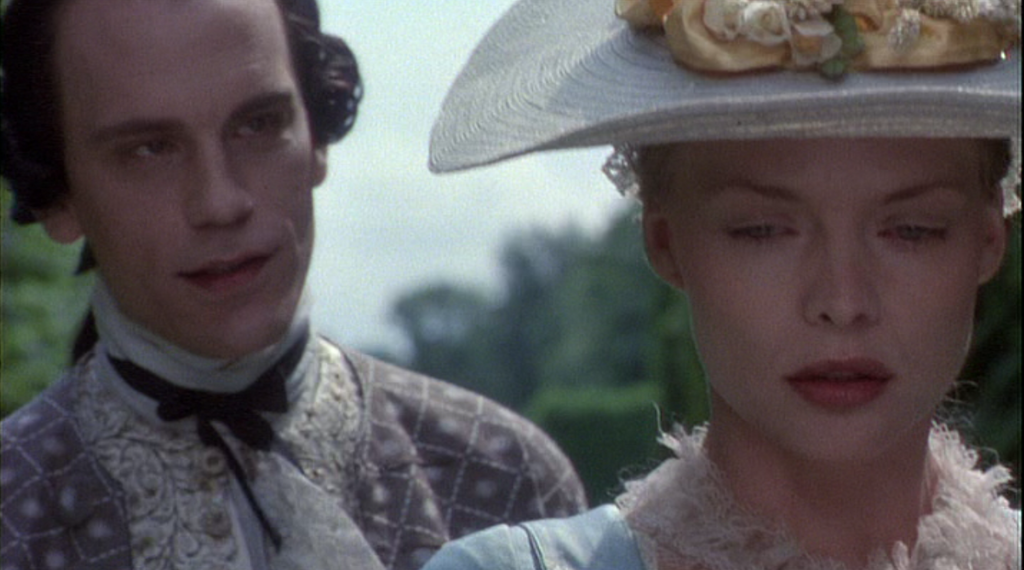
Dangerous Liaisons stages a high society world in which erotic conquests are a form of sport: the more elusive the prey, the more victorious the triumphant predator. In this milieu, Michelle Pfeiffer plays Madame Marie de Tourvel, the married woman with a revered reputation for righteous moral rectitude.

Mme Tourvel's renowned virtue, in tandem with her extraordinary beauty, marks her an especial target for the lascivious gamesmanship of the viscount Valmont (John Malkovich, in a decorously sleazy gem of a performance), a notorious rake who stakes his reputation on the difficulty of his conquests.

Pfeiffer's Mme Tourvel is to be a crowning accomplishment for Malkovich's Valmont, a prize that will both secure his reputation as reigning cocksman and also (re)gain his access to the private graces of the Marquise Isabelle de Merteuil (Glenn Close, in a perfectly calibrated portrait of refined desperation).

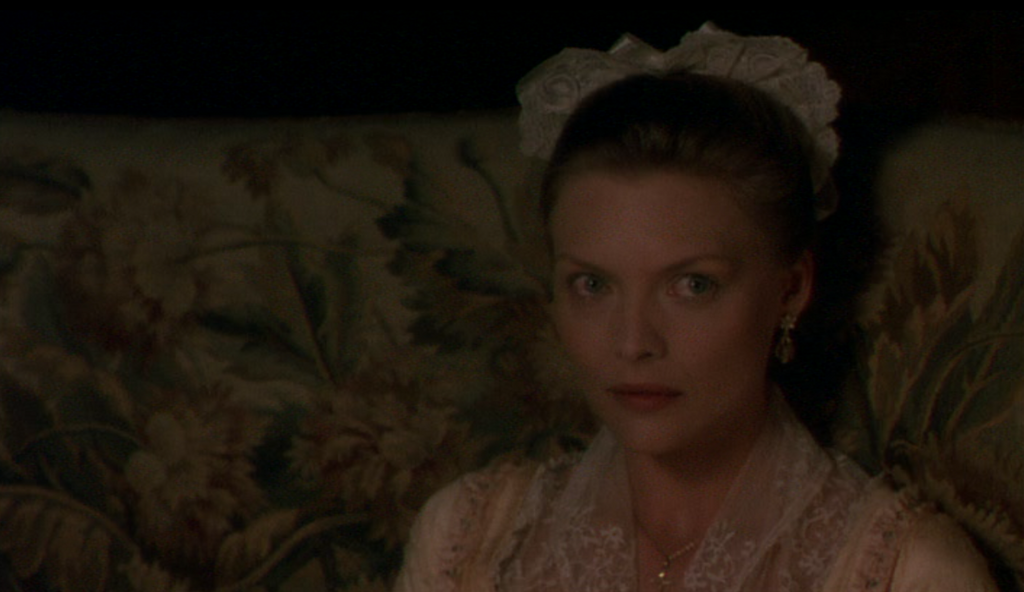
In Mme Tourvel, Pfeiffer is charged with what is perhaps the most difficult role in Dangerous Liaisons: the only character in the piece who is intrinsically good. Mme Tourvel is neither naif nor cynic, neither stupid nor especially smart. She's alert to the workings of the world, but has chosen -- out of either integrity or self-preservation -- to avoid any whiff of sordidness in her life. Most fatally, Mme Tourvel is utterly incapable of guile amidst a social economy riven with casual deceits and intimate manipulations. And this unsophistication proves her ruin.

Playing "good" is never particularly easy, and Pfeiffer struggles somewhat in the role. Pfeiffer's Mme Tourvel captures the character's incandescence -- the radiant beauty which is to be a beacon of the beauty within. Likewise, Pfeiffer nails Mme Tourvel's exhilaration and terror at the thrill of being caught so within Valmont's magnetic sights.

But where Pfeiffer falters is in conveying the precise nature of Mme Tourvel's fear: Is she afraid of succumbing to true erotic sensation? Of losing her identity to the unknown? Of sacrificing the reputation she's so carefully built? Of discovering that true love is a lie? Each of these terrors flicker in Pfeiffer's performance...but fleetingly. Because Mme Tourvel's goodness is so strong, so clear, the role requires similar specificity in conveying its corruption. The glimmering melange of terrors that Pfeiffer provides, unfortunately, muddies Mme Tourvel at her most essential moments.

And while Mme Tourvel's love does break Valmont's heart, in the way that Valmont's abuse of her love broke Mme Tourvel's spirit, the fact that Pfeiffer doesn't really clue us into the precise nature of her sacrifice ends up cheapening the character. Was Mme Tourvel's incandescent goodness really so frail as that? Such ambiguity may be a failing of the piece (though the script does suggest that Mme Tourvel believes her beauty to be a moral challenge from God), but its lack of specificity becomes Pfeiffer's failure in performance.

When first screening Dangerous Liaisons upon its original release, Pfeiffer thrilled me, her beautiful devastation a heartbreaking spectacle. And Pfeiffer's depiction Tourvel's stunning evisceration remains moving. YET. While Pfeiffer's work abundantly conveys that Tourvel has lost everything when Valmont rebukes her, I'm left wondering what Tourvel's "everything" was...

Pfeiffer's nomination is clearly worthy, but the performance is -- just as clearly -- incomplete.

7.07.2007

Anne Meara in Fame (1980) - The Performance That Changed My Life Blogathon

The following is my contribution to Emma's All About My Movies.: The Performance that Changed My Life blogathon.... See them all at:

After pausing only briefly to contemplate my candidates for "The Performance That Changed My Life," one performance kept stealing focus -- a fleetingly brilliant bit of work that provided some of my first cues that the actressing at the edges might be what StinkyLulu loved best about the movies. Which performance? Why, of course...


...Anne Meara in Fame (1980).

When I was a wee lil Stinky, I watched Fame over and over again, back to back to back, and then over and over again. 'Twas my movie. And possibly because I watched the film so many f'n times, Anne Meara's starkly human performance as Mrs. Sherwood -- the language arts teacher for students enrolled in NYC's High School of the Performing Arts -- burrowed deep into my consciousness.
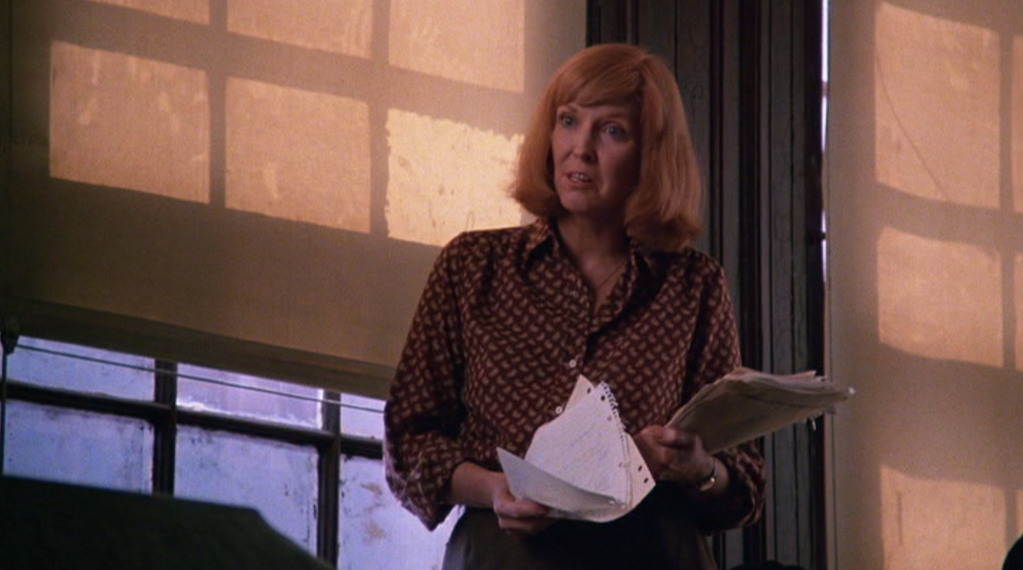
The role of Sherwood is a quintessential "actressing at the edges" kind of part, for Sherwood is essential to Fame's dramatic arc only insofar as she amplifies the narrative thread of one of the principal characters, Leroy (Gene Anthony Ray) -- the thug-cum-dancer who can dance better than anyone but who can't read. Indeed, the character of Sherwood operates almost exclusively as Leroy's obstacle. Leroy's got the talent, but will he have the discipline and maturity to play by society's rules?
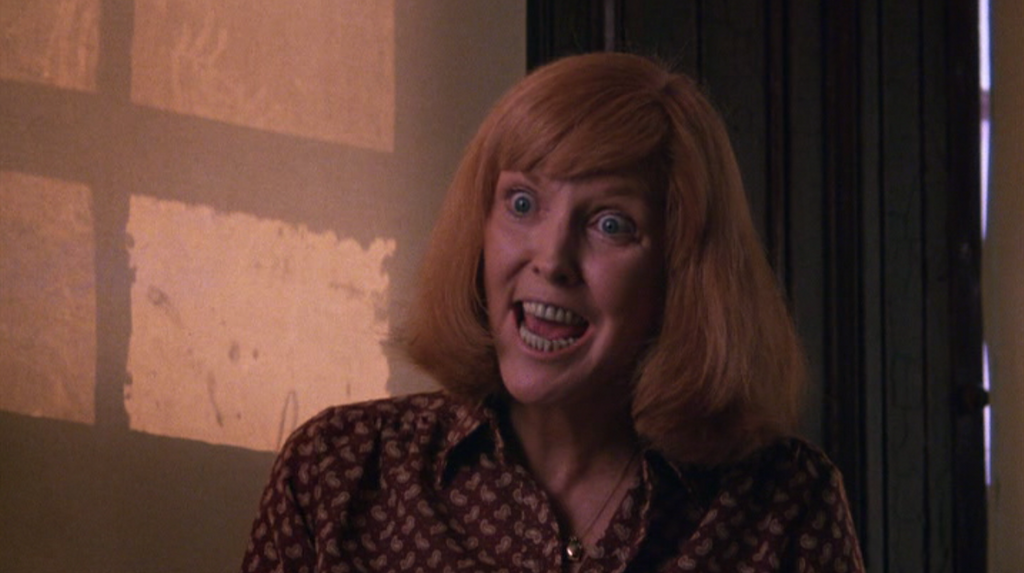
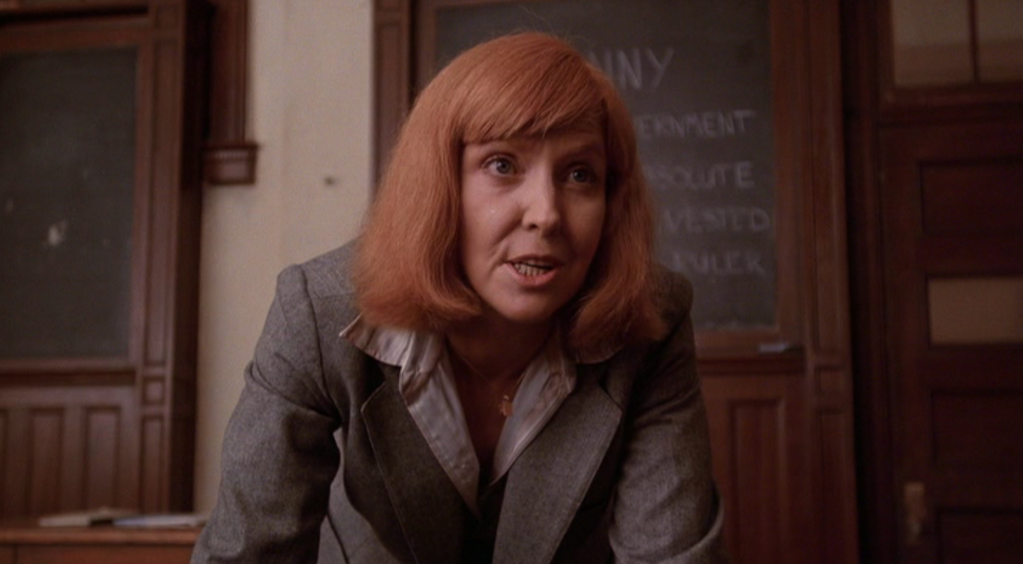
Meara's task, then, for much of the role is merely to be a formidable, hard-ass bitch-on-wheels. Meara's Sherwood cuts Leroy no slack and backs down from few confrontations, requiring Leroy to make the bed in which he must lay. She snarks on Leroy -- humiliates him even -- in front of the class, refusing to buckle even when he explodes in a kinetic blaze of profanity and violence.
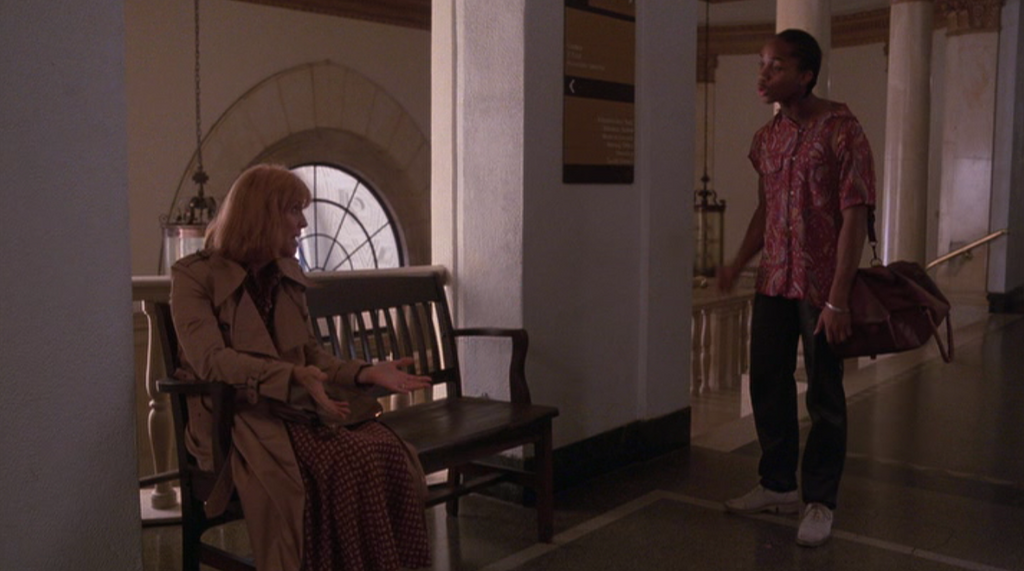
Until of course the kicker scene. When Leroy (suddenly terrified that his grade in English might actually be important now that his invitation to join a major dance company is contingent on his successful graduation from high school) seeks Meara's Sherwood out at the hospital where her husband is undergoing some unnamed "serious" procedure. Meara's Sherwood is at first firm but dismissive when faced with this self-involved student come, to the hospital, for a little friendly grade grubbing. Then when Leroy pushes on her, accusing her of having it in for him, Meara's Sherwood explodes with sheer, agonizing fury. Her rebuttal ("Don't you kids ever think of anyone but yourself!?) stops Leroy cold, allowing him to show Sherwood a quiet gesture of empathy and consideration (thus completing his character's final step in his overcoming her as obstacle).
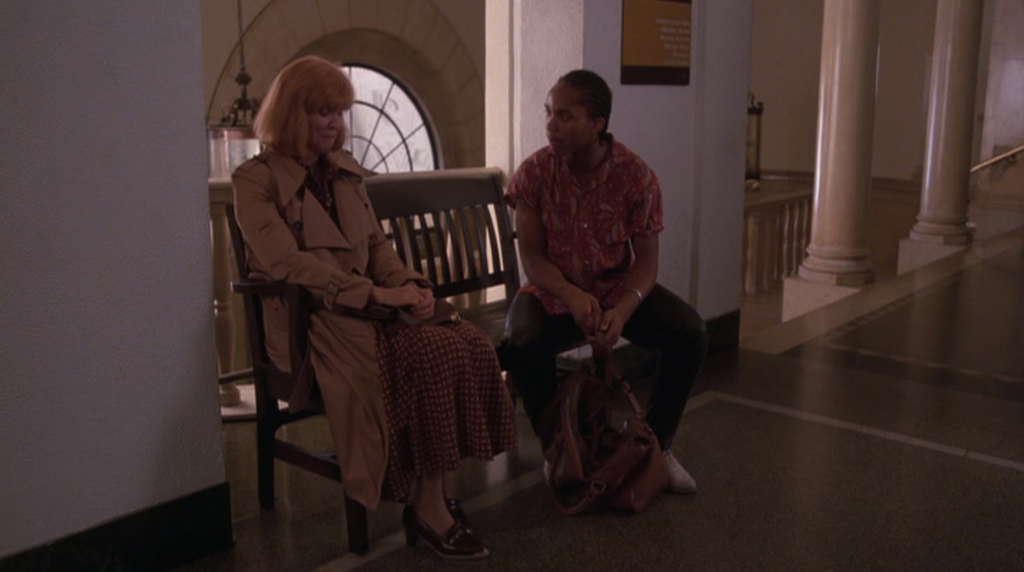
In most ways, Meara's Sherwood is a thanklessly supporting performance. Everything she does is in support of Leroy's character arc. But Meara mines every moment for its depth, humanity and humor. The accent, the timing, the shrieking vocality -- Meara uses it all to convey the simple fact that this woman is really good at her job and Leroy is but one of her more difficult pupils. She's neither the saintly superteacher, nor the inhuman gorgon. She's just a teacher in the NY Public School system trying to get through another day.
But what changed StinkyLulu's life was noticing the silent, stealthy intricacies of Meara's performance as Sherwood. Meara textures Sherwood's screaming fits with wordless silent moments. The flash of fear rippling her stern facade when Leroy physically erupts. The heart buckling devastation when Leroy tears into her with the oblique epithet "You people..."
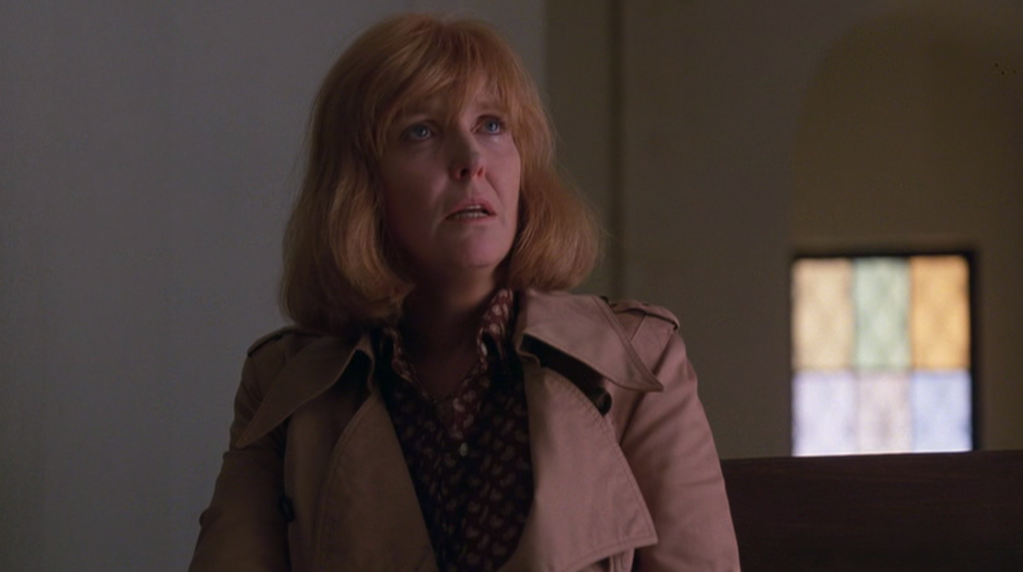
Meara's performance provided one of StinkyLulu's first real lessons in the "no small parts" maxim. Hers is a charged performance that knows the soul of this character, and her work at the edges allows Sherwood to become a vivid presence that infuses the film. Indeed, when lil Lulu fantasized about potential sequels, what happened next to the Famers... Meara's Sherwood almost always showed up. (So imagine Lu's shock and dismay when defanged Sherwood actually did show up, all pretty and magnanimous, in the televisions series. Feh!)
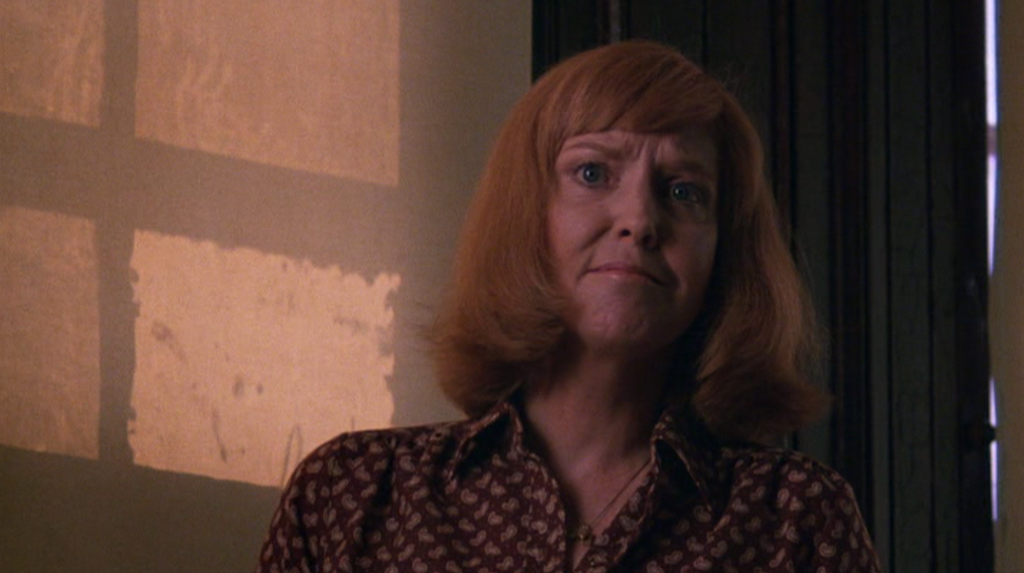
Meara's Sherwood prolly taught little Lulu lots more than she ever knocked into Leroy's noggin. And StinkyLulu will be ever grateful to Ben Stiller's mom for crafting the character of Sherwood so intelligently and so generously -- and, in so doing, redirecting Lulu's movie obsessed gaze to those other actresses at the edges of Fame, especially those actresses at the edges of fame itself.
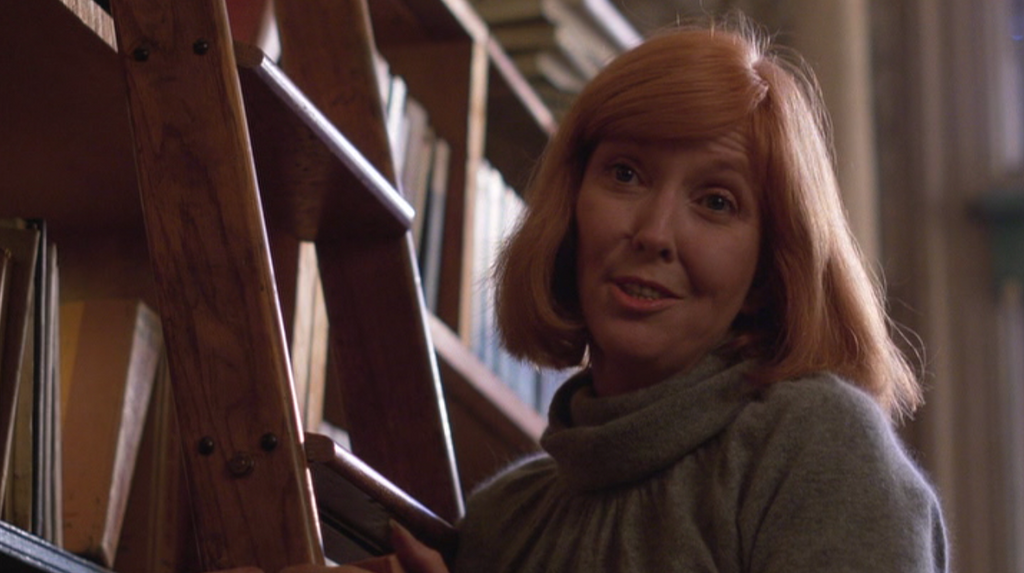
Thanks, Ms. Meara.

7.06.2007

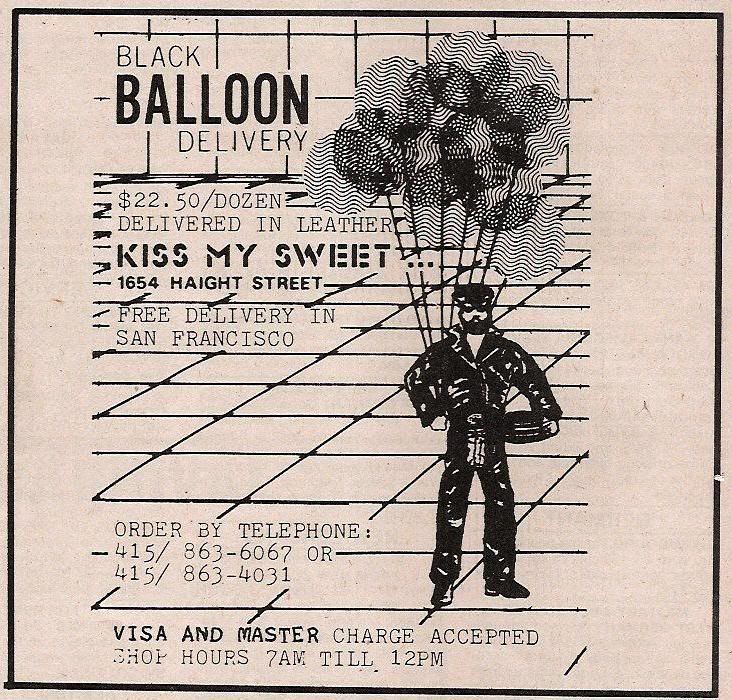
"Delivered In Leather" (Homo Heritage Fridays)

from DRUMMER: America's Magazine for the Macho Male.
#47 - circa 1981, page 64.
For details, click the image; then click again to magnify.

7.05.2007

"Two Women" & "More Of A Man" (PhotoQuote Thursdays)

via Shorpy
click image to be routed to full post
(OOOOH OOH! This just up - Part 2 of this Series!)

What's she reaching for, d'ya think? Certainly not this...

via Time.com & AmericaBlog
click image to be routed to full post

Lisa 4 Prez (Photoquote of The Day)

click image to be routed to full post

Sounds good to me...

7.04.2007

Happy Boom Boom Day.

The Alberto Ramella image above features performer Misstress Formika -- NM native, drag goddess extraordinaire, and high school friend of StinkyLulu. The complexity of the image conveys some of StinkyLulu's contradictory feelings on this holiday.

On this 4th of July:
What ModFab Said...

See also:
This necessary reminder of the progressive roots of patriotic traditions.
&
StinkyLulu's 2006 4th of July Video Prayer.

7.03.2007

To Dos Day

___ Item 1: PAUSE...
...to reflect on the passing of one of the most effective ambassadors of "high culture" ever to grace the American imagination: Beverly Sills. And enjoy her guest appearance on the best television show ever. Blessings, Bubbles.

___ Item 2: PREPARE your post...
...for Emma's Very First Blogathon: The Performance That Changed Your Life. StinkyLulu's readying a riff on a truly supporting turn in the film that Lulu's screened more times than perhaps any other.

___ Item 3: MARVEL at the nuance...
...in the true art of Lip Synch. Two kinds of lip synch performance inspire Lulu to rhapsodize in awe. There's the genius of imitative precision that is Lypsinka. And, then, there's the non-stop, stunt-tastic splendor of Tandi Iman Dupree. Watch it till the end...you won't regret it. (via World of Wonder.)
___ Item 4: START SHOPPING for...
...StinkyLulu's birthday. Sure, it's 78 days away. But you can always get your pre-orders in for a couple items on StinkyLulu's Wish List. There's the extras-packed delight of Option A, or the dear hearted craziness of Option B (audiobook version please). Both options are scheduled for release during StinkyLulu's birthday week. Now if that ain't an omen, I dunno what. It's so nice of the universe to keep lil StinkyLulu in mind that way...

___ Item 5: CONTEMPLATE the passing...
...of the TV movie critic. Joel Seigel's death this week marked the passing of the only icon of the first/last generation of TV movie reviewers to retain his place on his home broadcast, the others having also died, left regular tv because of chronic illness, or lapsed into the irrelevance of ideological or stylistic caricature. StinkyLulu grew up hooked on these televised movie reviewers. And as each one shuffles along, it becomes ever clearer that the era of the TV movie review is over. And, for all Siegel's stupid punniness, StinkyLulu remained ever fond of Siegel because he -- like both Siskel and Ebert -- was a defiant movie lover, someone who genuinely wanted to fall in love with each movie. The only real representative of the new generation -- that asshat Roeper -- is an unrepentant movie consumer, who wants only for the movie to satisfy and flatter his own preconceived notions. It's a qualitative difference, but it's a meaningful one. I'm not sure what Siegel's passing means for the future of popular movie commentary, but this much is clear -- the future ain't in the idiot box.

___ Item 6: CHECK OUT...
...some new-ish features on StinkyLulu. Like the voting for the Overlooked film from this year in Supporting Actressness - 1988. Starting this month, StinkyLulu will do a Supporting Actress profile for at least the top vote getter among the overlooked films/performances listed in the voting panel at right. Also, be sure to check out the mini-reviews that StinkyLulu's started incorporating into StinkyLulu's 2007 Film Log and StinkyLulu's Home Movies (also both linked at top right). These rambling little blurbs gather StinkyLulu's thoughts on recent screenings (and are inspired by RBurton's nifty annotated screening lists). Also, look for a new category in that right column in the next few weeks: Listening With StinkyLulu, which'll feature brief commentary on the audiobooks and cds that StinkyLulu's absorbing while motoring around the town. Just another few ways this blog keeps track of Lu's many many thoughts while also keeping those fingers tapping. Thanks, lovely reader, for all of it...

Have at it, lovelies...

7.01.2007

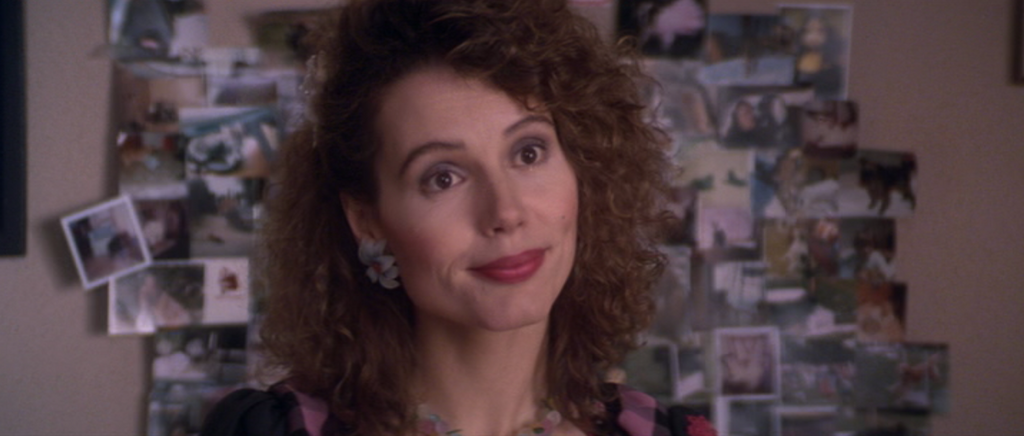
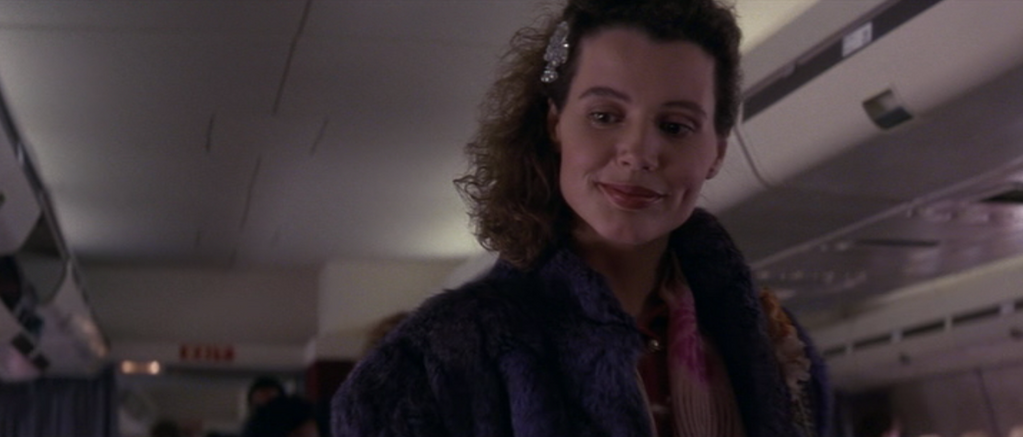
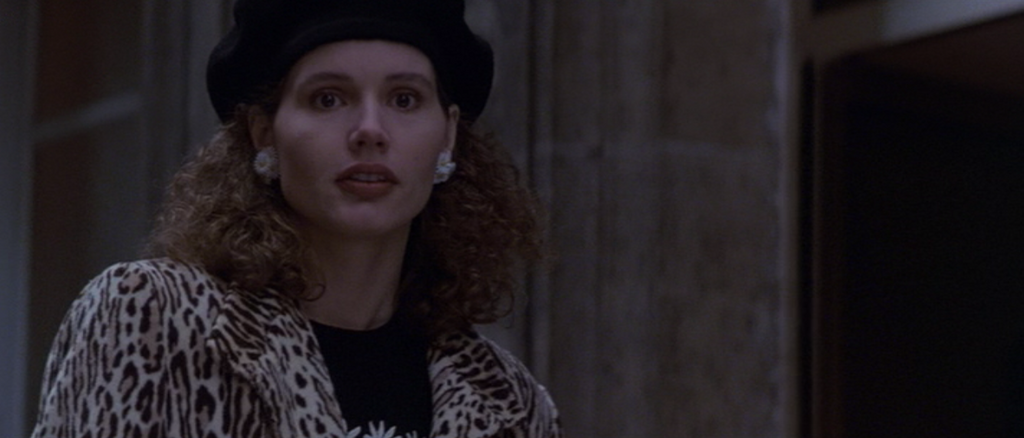
Geena Davis in The Accidental Tourist (1988) - Supporting Actress Sundays

The roster for July is in -- 1988 -- one of the few rosters of Supporting Actresses from which all the nominees, especially the newbies, survived to thrive in dynamic, interesting careers. Another something all of 1988's Supporting Actresses share? Each of their movies are, to greater and lesser degrees, about "class." Even more, the socioeconomic station of each Supporting Actress character instrumentally informs each plot. Of all four movies, though, Lawrence Kasdan's romantic drama The Accidental Tourist most reflects American culture's stubborn denial about the realities of social class in the United States. Kasdan's film relies on class differences to amplify the will-they-or-won't-they conflict that impels the film's narrative, even as the film depicts such differences obliquely, as mere decoration. This denial finds tidy embodiment in the performance of...

approximately 29 minutes and 30 seconds
31 scenes
roughly 25% of film's total running time

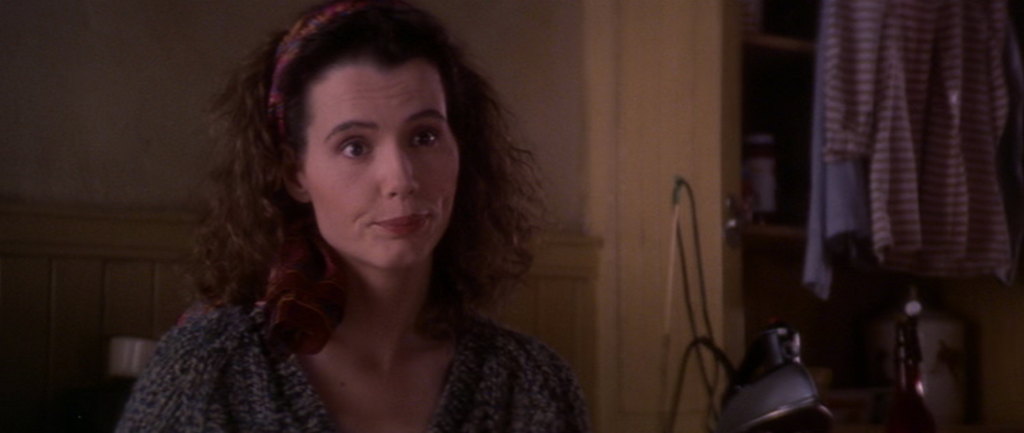
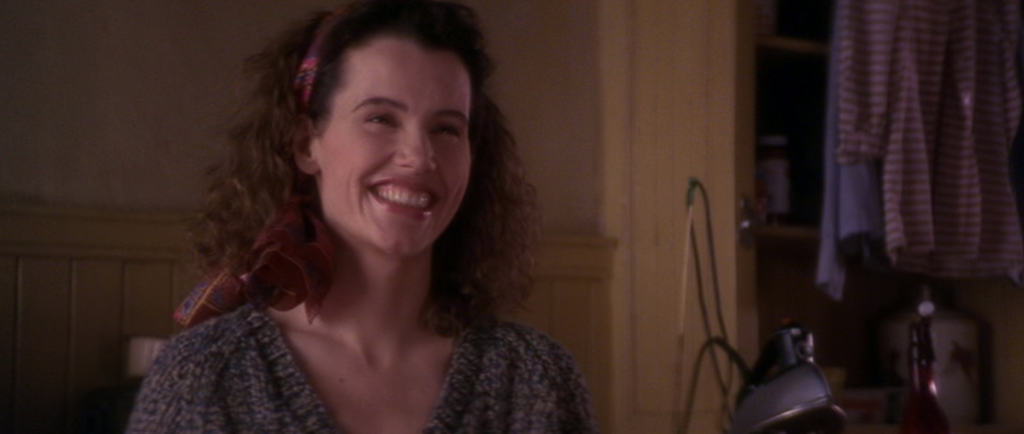
Geena Davis plays Muriel Pritchett, the woman whose zesty directness and startling fashion sense shake the emotional foundations of the film's protagonist Macon Leary (William Hurt), a grief-stunned man staggering through his life as it falls apart around him.

Davis's Muriel alights into Macon's life by happenstance (she works at a kennel; Macon needs a dogsitter) and it's "MINE!" on first sight, at least for Muriel. As scenes proceed, Muriel's glib tenacity in placing herself squarely in Macon's path creates the circumstances of -- in the best romcom tradition -- an entirely implausible (and thus life-altering) romance. Davis's Muriel chatters and cheers, Hurt's Macon winces and whines, and true love is found.


Most of Muriel's entrances are signaled by broad, non-sequitur pronouncements ("I bought this car for $200!) and Davis plays these proclamations to their hilt. Unfortunately, Davis's Muriel -- more often than not -- zings this way and that with such a wafty winsomeness that the whole project starts to stink of carefully contrived quirk. Indeed, by the time the two land "separately" in Paris, Davis's Muriel seems more like a ditzy glamazon of the Romy and Michelle variety than the uncultivated, somewhat dumpy force of nature that the narrative seems to require.

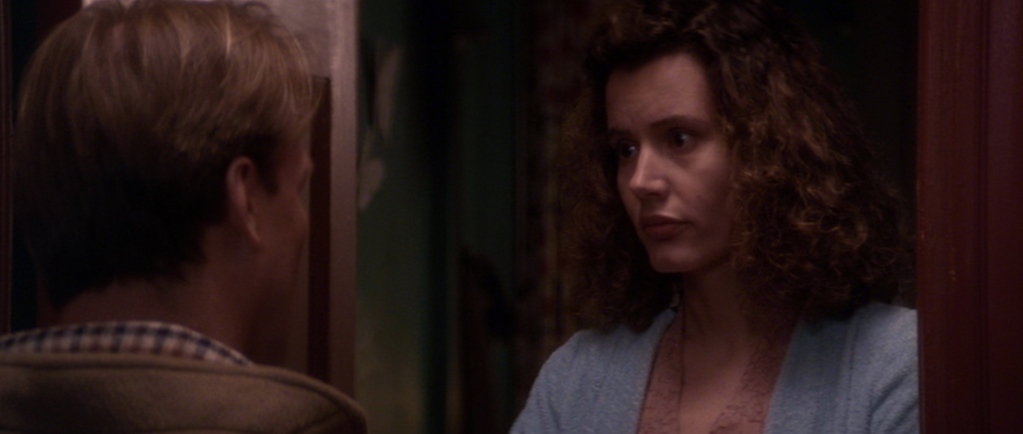
Davis's best scene is her quietest, where she says little and instead listens to Hurt's Macon describe the depths of his despair. Only in this scene, with little makeup and no "outfit," does Davis provide a hint of Muriel without the bells and whistles, a fleeting glance into Muriel's "bashful" side. Granted, this scene is the only one to script Muriel's quietness, but part of the challenge of actressing at the edges is crafting the bridges between the scripted moments. Muriel's complexity exists beneath and between her lines, and Davis's proclamatory approach to the character tends to race toward the next line reading and right past whatever's in the in-between.

Likewise, Davis's characterization does not address the not-so-subtle mercenary aspects of Muriel's attraction to Macon. Yes, she wants a man in her son's life. Yes, Macon needs what she has to give. But...does Muriel do this often? Does she stalk every man with a credit card who comes into her shop? Davis glibly skips over whatever shadows might be found in the character in order to make Muriel a radiant beacon of hope for Macon. The problem? This is almost more frightening. Muriel, at times, seems like the energizer bunny, a perpetually happy clown who only wants to turn Macon's frown upside down...or else.

This much is clear: Geena Davis memorably nailed certain aspects of this character -- the verve, the kookiness, the sweetness, the bravado -- but she crafts only a partially brilliant performance. By focusing so exclusively on Muriel's light (to the exclusion of her shadows), Davis's Muriel diminishes the character's dimension, her scale, her humanity...her true sparkle.