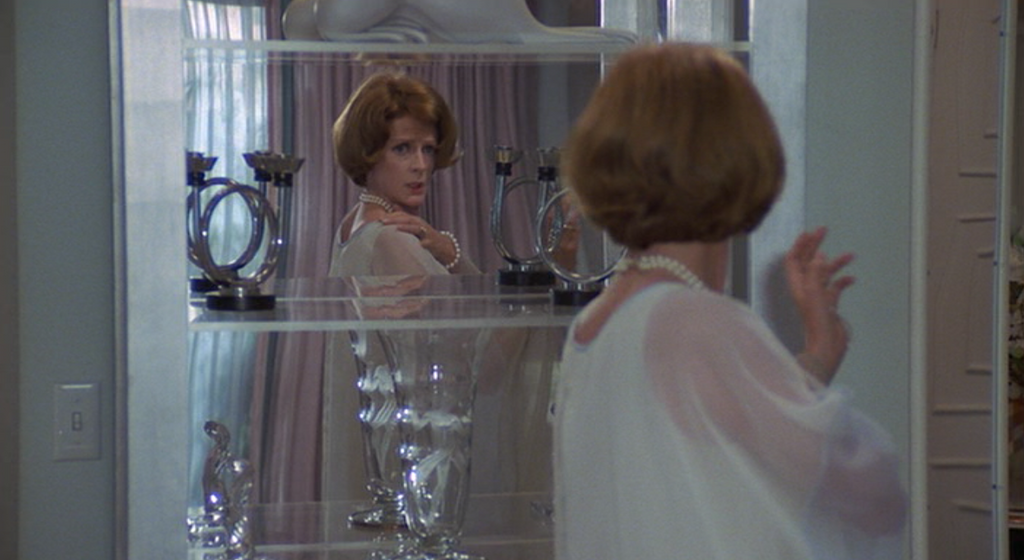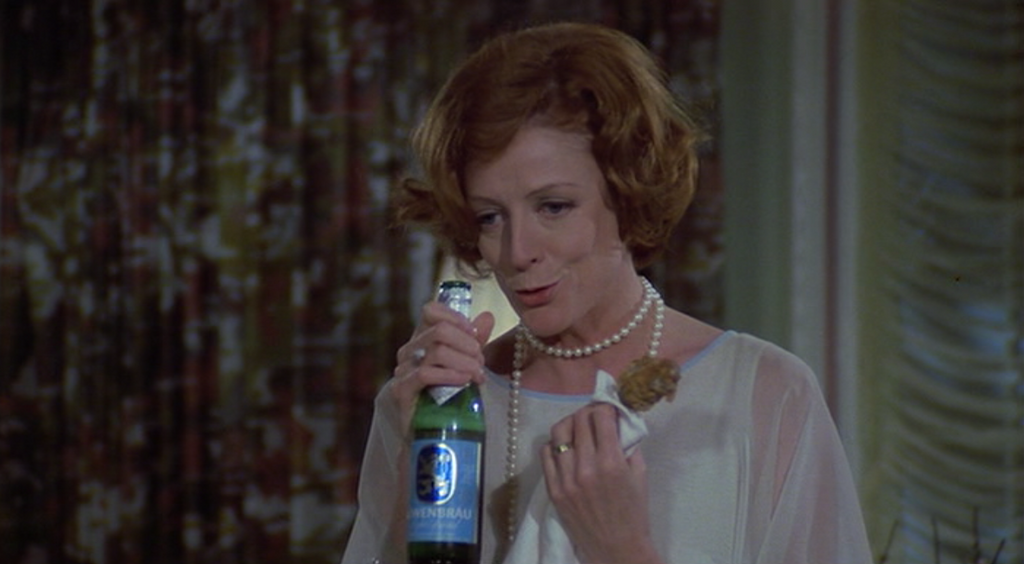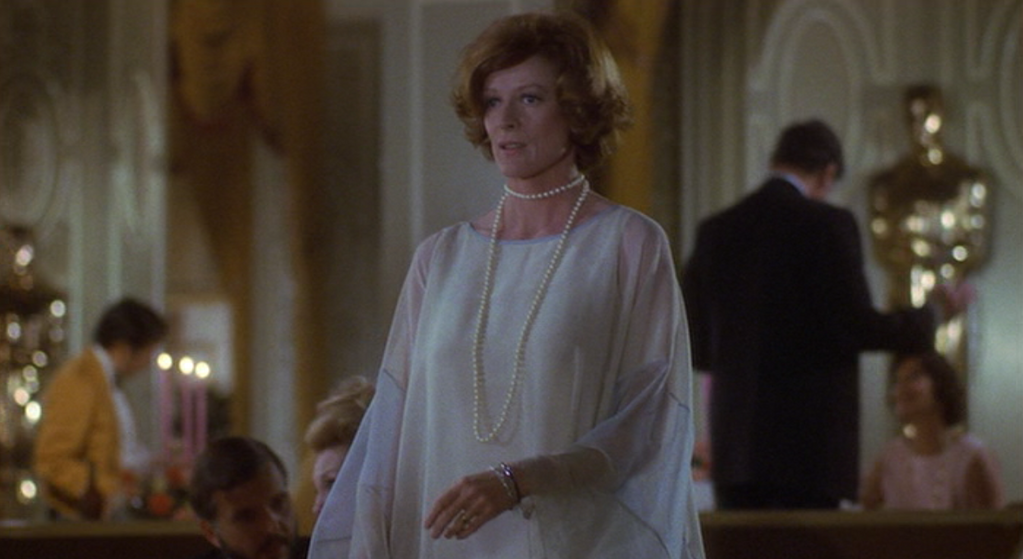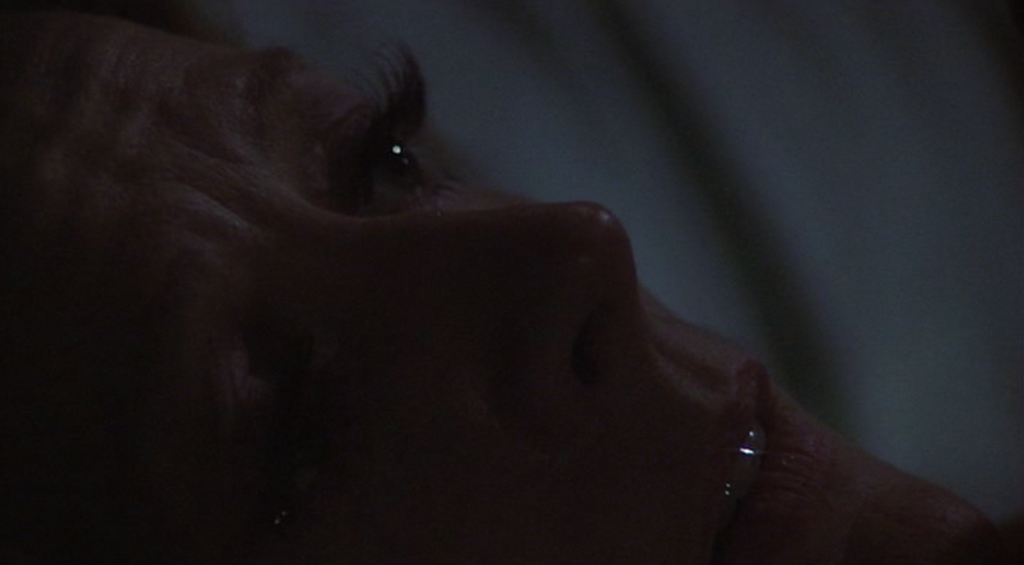
 'Tis definitely an oopsie doodle that StinkyLulu's avoided seeing Peter Bogdanovich's The Last Picture Show for so long. Always knew 'twas one of "the greatest movies" blahblah, but something just kept it at bay. Perhaps the Texas-ness of it; perhaps the fact that it was shot in black and white; probably because the three leads inspire StinkyLulu with an overwhelming sense of "meh" (though my appreciation of one of the three has definitely grown as years passed). Whatever the reason, 'twas wrong to have so avoided Bogdanovich's opus but, screening it now, seems somehow fortuitous to have waited until I could identify with the "older" char/actors (most of whom were in their later 30s and early 40s when this was filmed). The movie's truly good, quite surprising really, and -- best of best -- 'tis just plump and juicy with fascinating performances of enthralling characters. The "younger" cast is good (even Miss Cybill) and the background cast of non-actors is fascinating. But the "older" cast? Zowie kawowie. And among this "older" cast of char/actors is one that StinkyLulu's just doomed to fall in love with, performed by one of the most versatile troupers of the last fifty years...

approximately 18 minutes and 2 seconds
14 scenes
roughly 14% of film's total running time
14 scenes
roughly 14% of film's total running time
Cloris Leachman plays Ruth Popper, the emotionally and sexually abandoned wife of the town's football/basketball coach, a man who "prefers" the company of his young athletic charges.
 Leachman's Ruth discovers comfort and distraction in the arms and eyes of a goodhearted seventeen year old, Sonny (Timothy Bottoms, in an almost surreally dimwitted performance that's nonetheless occasionally quite effective). In one another, Ruth and Sonny find a curious match. Each is a sweet, shy soul -- each more accustomed to being rushed past, even in a town as slow-moving and dusty as Anarene, than being really noticed.
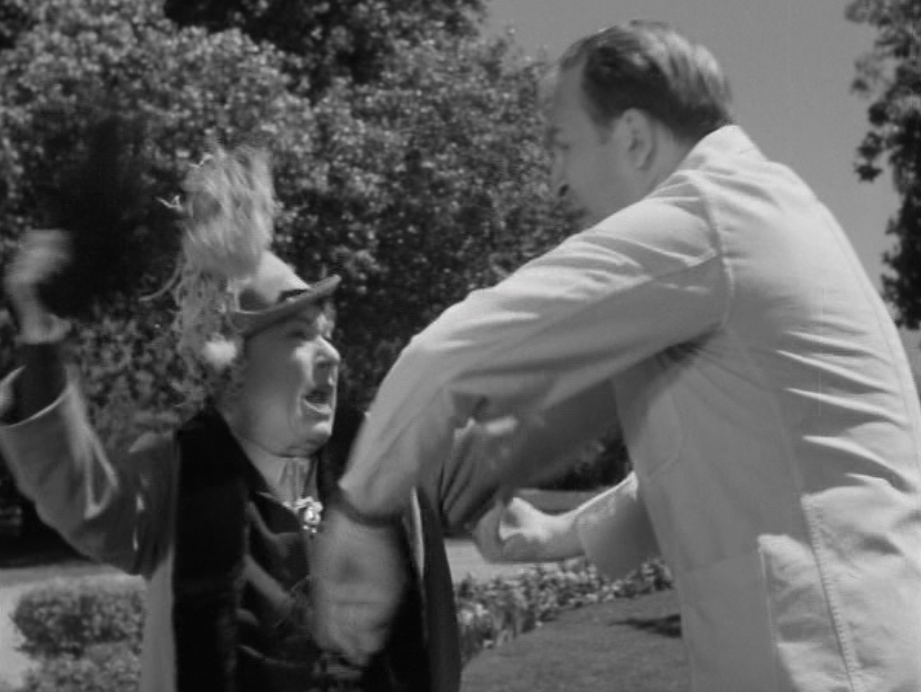
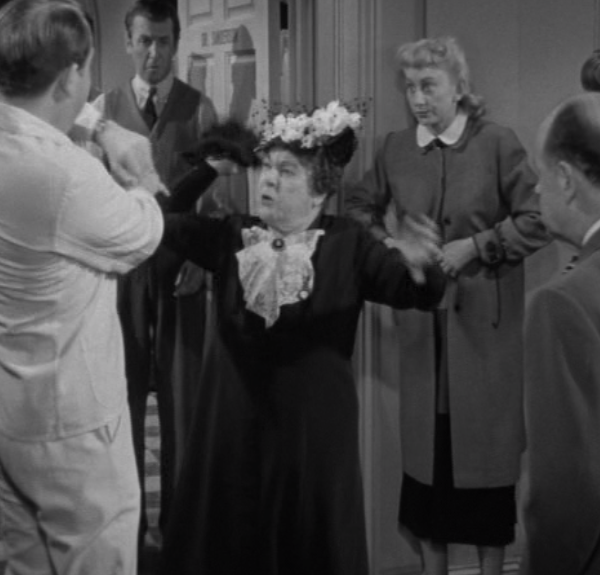
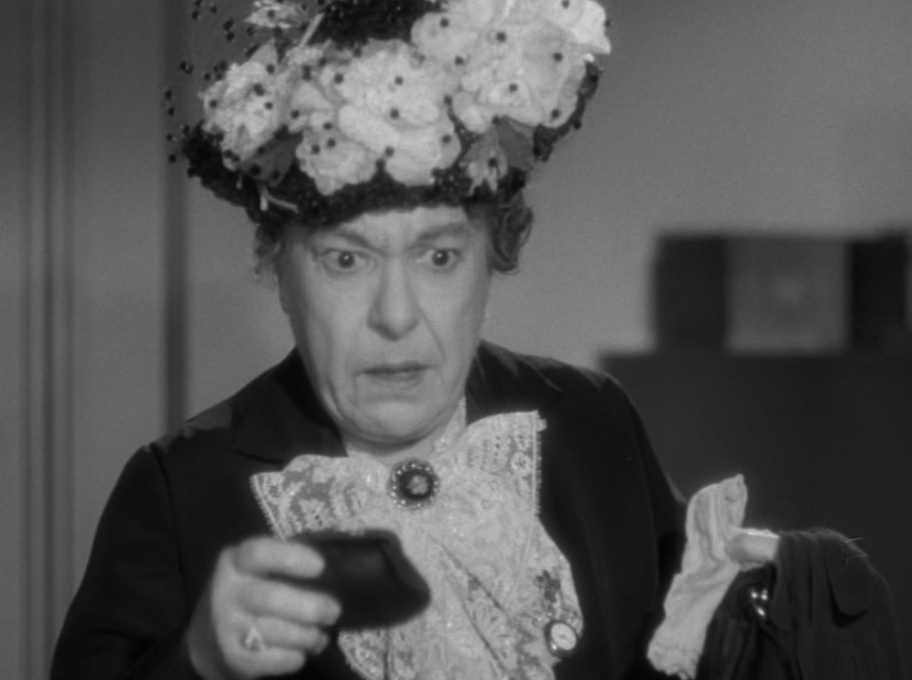
 The film stages the first real encounter between Ruth and Sonny in the context of Ruth's humiliation, which begins when Ruth's husband does not tell Ruth that he's sending one of his students to take her to a doctor's appointment for some unknown ailment (something "dreary" is all we're told). Her husband's disregard is clearly just another in a long line of casual cruelties suffered in her marriage, but it marks the beginning of a rough morning for Leachman's Ruth. Before the morning's over, Leachman's Ruth has a mini-nervous breakdown in front of Sonny. When he reacts not with scorn or cruelty, but with a misguided attempt at empathy, his tenderness is as a revelation to the emotionally impoverished Ruth.
 So begins a tender love affair comprised of clumsy afternoon assignations.
 Leachman utilizes her formidable comedic gifts to complicate Ruth's general patheticness. Hers is a performance punctuated with little moments that would be funny if they weren't so sad, including even a touch of slapstick in which Ruth just can't wriggle sexily out of her slip. It's a hilarious bit that, in Leachman's execution, becomes frighteningly poignant.
 Leachman also handles Ruth's blossoming with sophisticated ease. Before our eyes, Ruth escapes the catatonic caul of depression, returning to life and beauty with a giddy thrill.
 The love Leachman's Ruth showers on Sonny is a clumsy concoction: equal parts maternal devotion, schoolgirl crush, and ravenous sexual hunger...clearly a recipe for tragedy. But Leachman maneuvers the swirl with a surprisingly light stroke, never allowing the intensity to become overwrought. By maintaining Ruth's tentative tenderness throughout, Bogdanovich and Leachman remind us that, when -- inevitably -- Sonny does abandon Ruth, he does not do so because she has become too much for him, but because it's just way too easy to forget about Ruth when something or someone more exciting comes along.
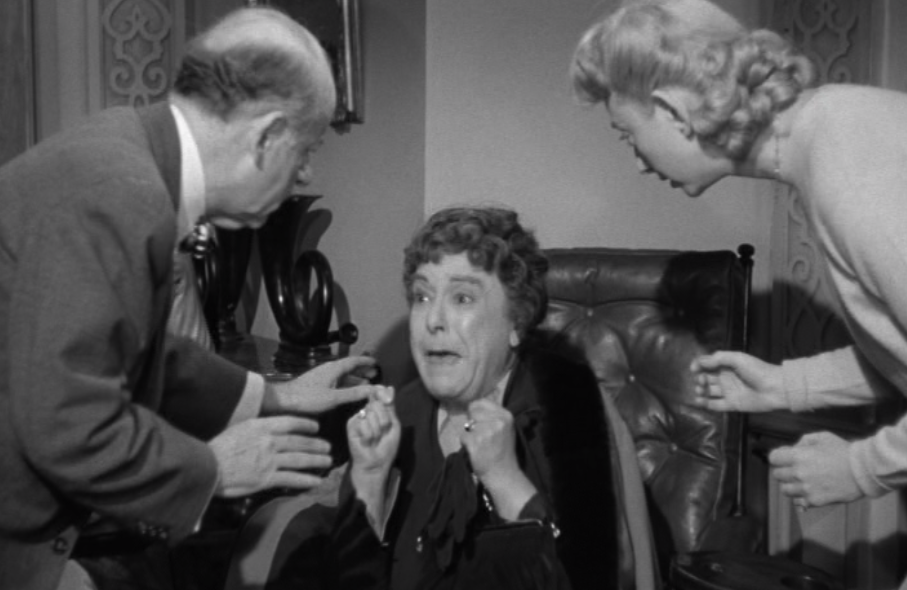
 And because Leachman's Ruth has never demanded anything of Sonny, because she expects so little for herself, Leachman subtly provides the emotional architecture for her showstopping freakout when Sonny arrives to her door after a three month absence. In this dizzying scene, Leachman's Ruth screams, throws things, spits cruel truths, and makes her first demand on Sonny (Look at me!), relishing the opportunity to kick this dog when he's down.
 But when he does look at her, just as she had asked...
 Leachman's Ruth finds herself first flummoxed, then compelled to reply to his need...just as he had hers that first day of her doctor's appointment: with the tender touch of empathy.
 'Tis no real surprise that Leachman snagged the trophy with this turn. There's a lot of Oscar-bait here: Leachman uglifies; she transforms; she has a big explosive aria; she even gets to have an extended sex scene focused on her face as it registers almost anti-erotic feelings (a bit that, legendarily, helped Jane Fonda to Best Actress the same year). But in Leachman (as opposed to say, Burstyn or Brennan) her comedienne's gifts of levity and precision elevated what could easily have lapsed into maudlin sloppiness or manic shrillness. It's subtly brilliant work, an accident of casting that really delivered...