
8.26.2007

Supporting Actress Smackdown - 1971


The Year is...


And we've got quite pile-up of Smackdowners for the 44th Annual Academy Awards, including...
1971's Supporting Actresses are...
(Each Smackdowner's comments are arranged according to ascending levels of love. Click on the nominee's name/film to see StinkyLulu's Supporting Actress Sunday review.)
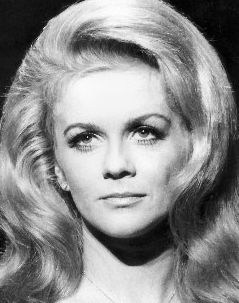
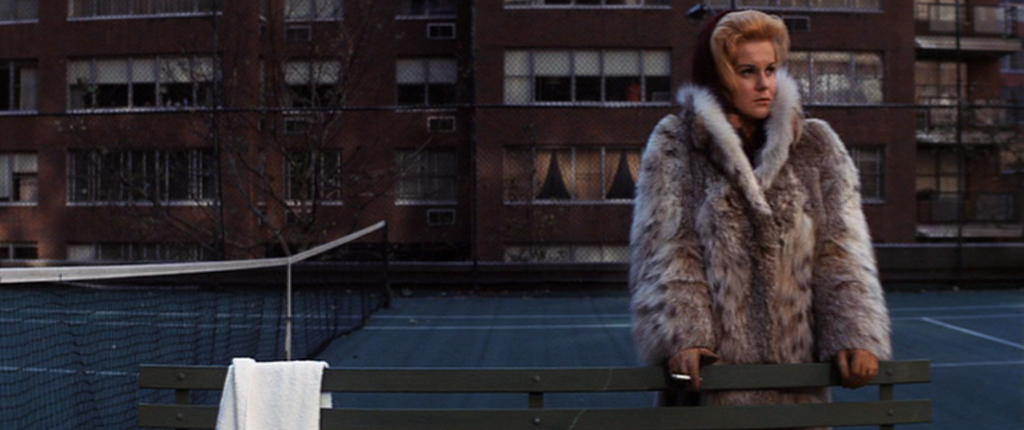
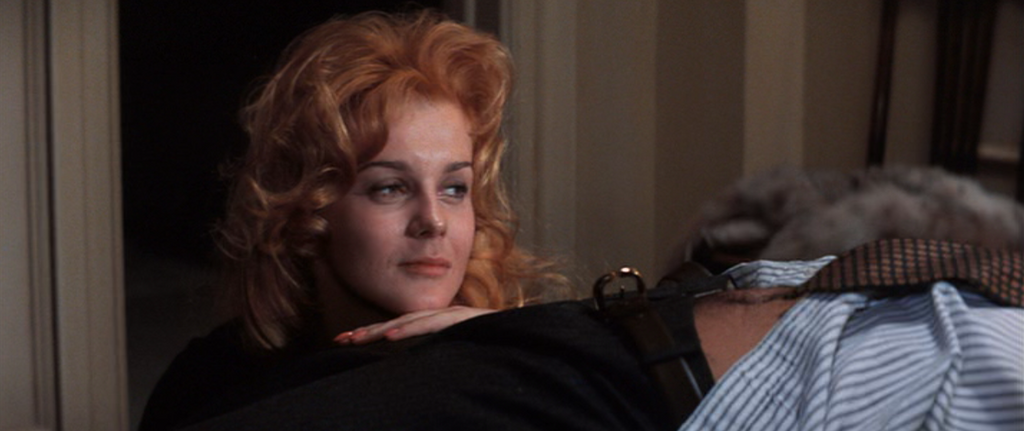
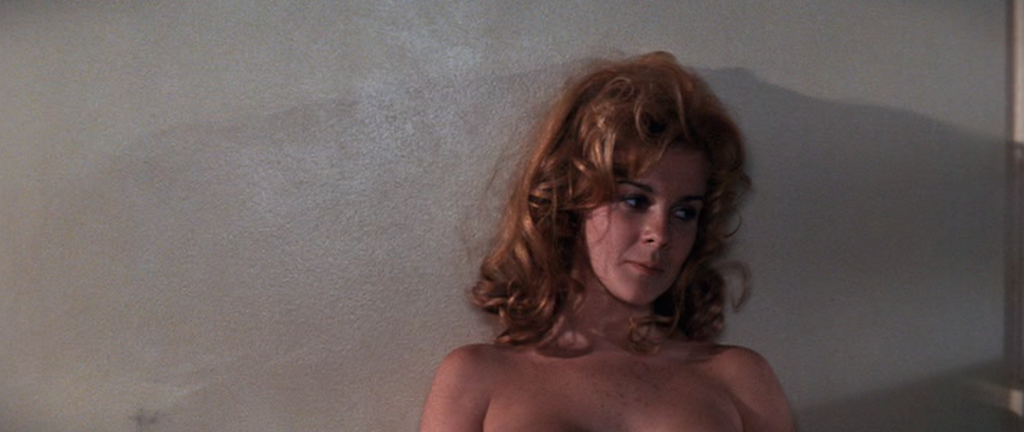
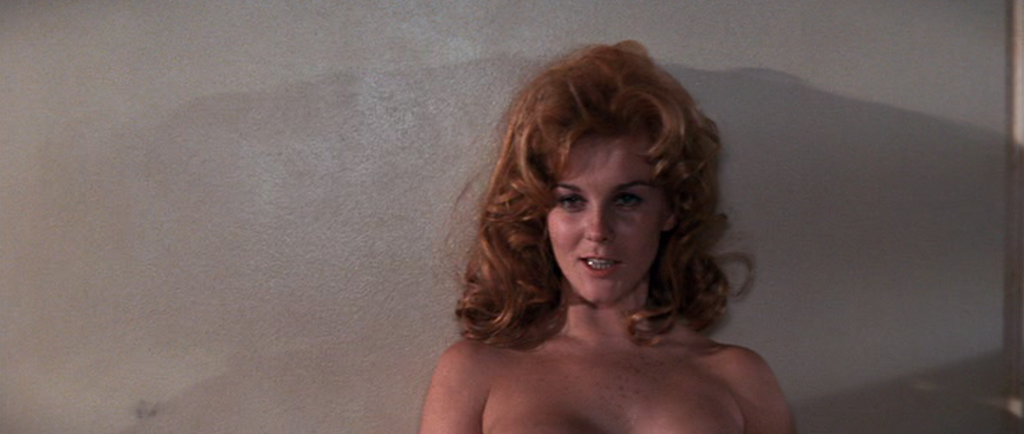
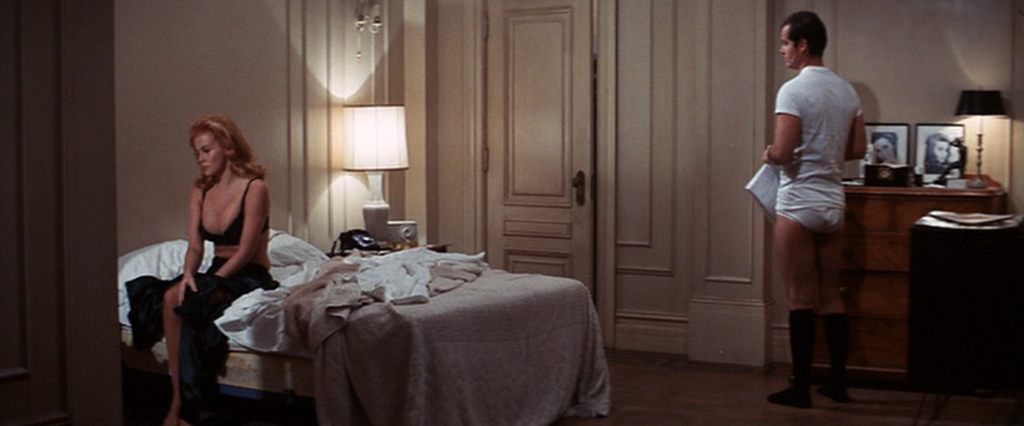
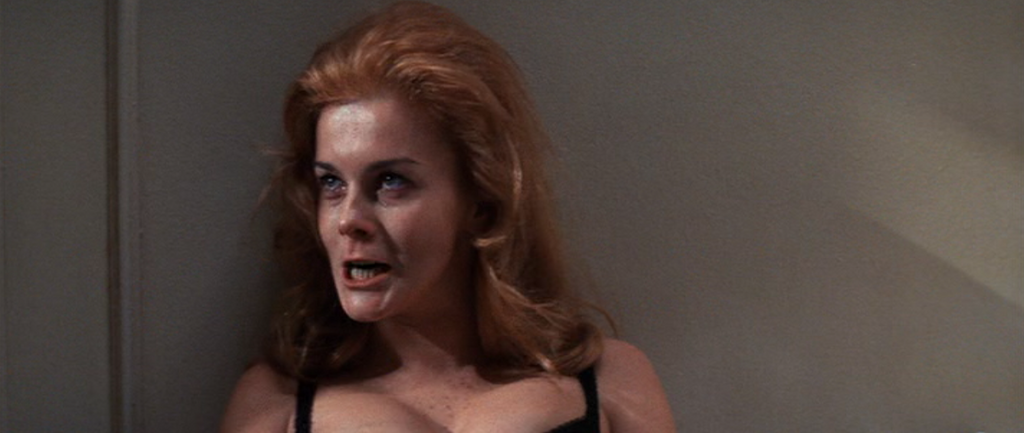
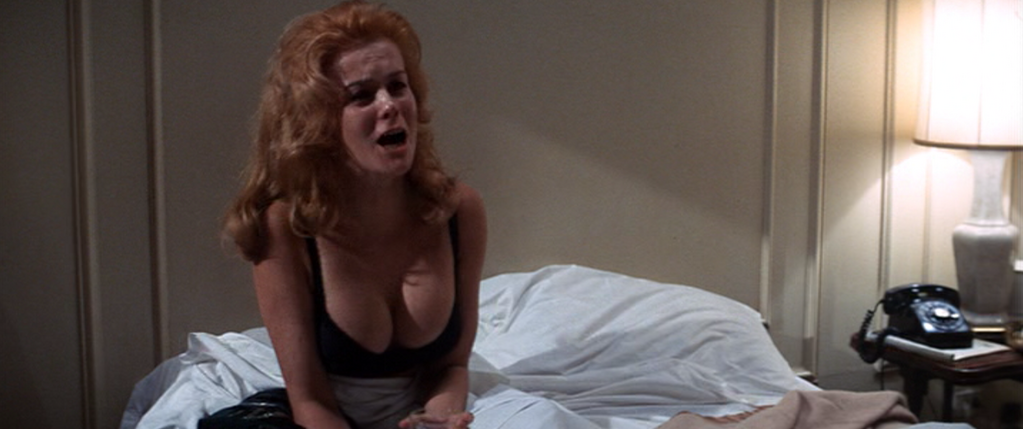
Ann-Margret in Carnal Knowledge
JJ - It's all unremarkable (except for her chest, and her reading of "You're a real prick"). Blame the movie, whose screenplay must've read like something Bret Easton Ellis would've scribbled on a napkin if he time-traveled to the early '60s and chased a fistful of Qualuudes with some scotch...
JamesHenry - Written like one of those shrilly, bimbo-ish blondes in a later (and lesser) Woody Allen comedy, Bobbie isn’t much of a character to begin with, but Ann-Margret doesn’t do anything with the role besides sit there and look glum. One has to fear that it was really the "cute blonde doing heavy drama" that got her the nomination...
StinkyLulu - Stunt casting at its most adept. Who else but Ann-Margret could so efficiently play such a delicate tornado, a tropical storm capable of matching Hurricane Jack? Her Bobbie’s vulnerability is intense, to be sure, but Ann-Margret’s typical mush-mouthed line-readings and odalisque posturing dissipate the actress’s elemental force....
Damion - Ann-Margret has given better performances before and after this one, and the “reasons” Ann-Margret was nominated for this one are unfortunate and lecherous. Her Bobbie is fully developed, and this is not a bad performance… just not really award worthy....
Ken - Once, counting his chickens for some doomed get-rich-quick scheme, Ralph Kramden surveyed his few tacky sticks of furniture and said, “Alice, this stuff’ll look great on Park Avenue!” A-M peddles her usual brand of baby powder here – relocated to more intellectually upscale surroundings, but not substantially improved...
Aaron - Ann-Margret's Bobbie is a lovely creation. She perfectly matches Jack Nicholson's scenery-chewing by quietly containing every impulse. But with every passive gesture, her eyes flash fire. An excellent, sad performance that becomes the moral barometer for the rest of the film...
Matt - Usually, Ann-Margret’s at a loss when her character’s not a sex tigress, but as Nicholson’s defenseless lover – a kitten without a whip – she’s entirely credible and touching. Not a particularly challenging role, since pathos and catatonia remain its predominant elements, but an admirable performance...
Nick - Times her pauses beautifully, allowing her character to make sense within the mannered universe of the script and direction. I love how her body and voice express Bobbie’s beauty and indolence without vamping, and without abstraction. Ann-Margret believes in her character, and holds our attention fully but simply....
Middento - Mostly, I know her as the dippy teen in Elvis(-like) musicals, but here, Mike Nichols’ penchant for carefully held close-ups allows her to demonstrate some careful acting! The ballyhooed scene is the screaming match with Nicholson, but the quieter, desperate moments really sell the tale....
TOTAL: (22)

Ellen Burstyn in The Last Picture Show
Aaron - Bogdanovich's film is about the depth of this small town, but Burstyn only seems to be interested in her character's surfaces. Late in the movie, when Sonny says he could see why Sam liked her so much, I couldn't have agreed less...
StinkyLulu - As Criticlasm observed, “Burstyn earns the nomination with that entrance.” But the rest of the performance doesn’t sustain the heart-stopping spirit of the role so well. Burstyn clearly really really understands Lois, and she stages some great beats for Bogdanovich’s adoring camera, but...Burstyn’s Lois is more like an acting exercise than an embodied characterization...
Nick - Pushes a little hard for Saucy and Sly, and this is hardly the movie to break her self-conscious, actorly habits. Still, she’s sexy and funny, and her big scene about a long-ago swim blows Ben Johnson’s scene of reminiscence out of the water. The film could use more of her...
JJ - Burstyn's Lois Farrow ferments bitterness into a sweet-n-sour acquiescence that passes for wisdom. Lois lacks Ruth Popper's showy arc, but Burstyn, Bogdanovich and Robert Surtees create visual poetry: watch the camera move in the car scene with Sonny; see Burstyn meet motion with emotion...
Ken - Doesn’t compare with the brilliance Burstyn displayed in so many later roles. She still seems to be finding her way here. And occasional dollops of Polly Holliday “kiss my grits” exaggeration are unwelcome. Still, pretty solid...
Damion - Burstyn is not afraid to go there and be cold and calculating and risk the audience’s dislike. She gives it to them with both barrels, and then… returns with a hook so strong, and so human, that the audience can’t help but forgive her. Wonderful work… as always...
JamesHenry - What makes Burstyn the stand out in the actressexual’s dream The Last Picture Show? Mostly, it’s the fact that thirty years before the term “desperate housewife” became commonplace, she practically defined it with this rich, deliciously immoral and all around memorable performance...
Middento - The brassier role, played beautifully. My favorite moment is when she seriously contemplates Sonny’s flirting in the car before turning him away. The loudness of the role in an otherwise quiet film masks the stunning (and sustained) subtlety of the acting here...
Matt -
Burstyn endows Lois with appropriate proportions of jadedness and sass. But her genius here lies in her quicksilver transitions. She packs an entire range of emotions within even expository scenes. Her facial expressions and line readings in her final scene reveal fresh and surprising thought. A colorful, imaginative, heartfelt performance...
TOTAL: (31)

Barbara Harris in Who Is Harry Kellerman...?
Middento - The performance is out of this world – if the film were a short with only her scenes. She transfixes: you can’t help to sit up and take notice for the short block of time she is onscreen. Yet this otherwise magnetic performance seems jammed inorganically into this god-awful mess of a film...
JJ - Yawn. Until she walks onto that stage. It's not a factor of the writing or the role -- neither makes sense -- but of the essence of the actress. Harris takes a shotgun loaded with charisma and holds the movie hostage for two engaging scenes. Too bad she can't pull the trigger....
StinkyLulu - With a whole character arc to accomplish in the space of a few concentrated scenes, Harris makes the smartest, most electrifying choice – she simplifies. As Allison's fluttery crust of mannerisms dissolve to reveal the very real woman underneath, Harris's clarity and humanity provide this grandiose film its only true emotional mooring...
Nick - A vapid film and a wobbly entrance can’t stop Barbara Harris, who pours a movie’s worth of sad, darting, vaguely manipulative life into ten minutes of work. She deepens the unbearable lightness of the film without disrupting it, and assembles a whole interior life where her Crayola script never imagined one...
Ken - A petunia in an onion patch. Deliriously endearing; definitely a contender in the “very good performances in very bad movies” sweepstakes. It’s a testament to her talent that she briefly transforms this stink-bomb into a Fourth of July sparkler...
Damion -
Wow. In the middle of this terrible film, Harris is a revelation as Allison. Her audition scene, in lesser hands, would have been a disaster of actory ticks and wacky shtick. Instead, her Allison is just trying to hold it together… and let go of the lamp. Beautiful...
JamesHenry -
In a stupefying, unfocused mess like Harry Kellerman, it’s a miracle equal to the Immaculate Conception that Harris is able to give the performance that she does- as focused and precise as a laser beam while retaining a level of humanity that makes her heartbreakingly real...
Matt -
Harris weaves her magic, spinning elements of world-weariness and wryness out of Herb Gardner’s overwritten dialogue to make Allison something other than a kooky loser. Her thank-you speech is beautiful, luminous and touching. The movie’s impossibly synthetic, but Barbara Harris is the real thing...
Aaron -
Injecting life into an otherwise bewilderingly boring film, Harris's Allison emerges as the perfect counterpoint to Hoffman's Georgie, crafting a character who is lost but determined to live. Her scenes are easily this movie's most compelling...
TOTAL: (33)

Cloris Leachman in The Last Picture Show
Nick - Her cloudy expression is an instant emblem of the movie. Her final, spiteful eruption gratifies the audience. She’s a smart, unpredictable performer. BUT she remains an idea about a woman, rather than a woman. Direction is the real culprit here—Leachman is clearly in sync with Bogdanovich, probably improving on his suggestions—but I’m less persuaded by Ruth Popper and less interested in her that I thought I was...
Ken - A great part – and quite effective in spots. But as a dramatic actress – even at her best – Leachman’s just good, not great. Too early for them, I guess, but think what Betty Buckley or Dianne Wiest could’ve done...
Middento - An exceptional performance, to be sure. Her long-suffering wife is so delicately bruised that by the last scene in the film, her explosion is powerful, inevitable. A meaty role, but one I wish was more evenly nuanced throughout the film...
JamesHenry - I have a special place in my heart for this type of shy wallflower, no matter how good or bad, and, fortunately, Leachman is one of the best because she rises above easy clichés and cheap sympathy and makes us feel genuine emotion towards her...
Aaron - Any actress would demand attention in the part, but Leachman's performance seems totally unique. She disappears for the film's last third, but her final aria is beautiful: traveling from terrified to seething to boundless generosity in a matter of minutes...
Matt - Handles her role with restraint and simplicity. I found Burstyn’s performance more interesting and varied, but Leachman is never monochromatic, and she provides a beautiful coda to Picture Show, her raging scorn melting into tearful compassion. Masterful work...
JJ - Ruth feels out loud what the town feels silently. Leachman's triumph is the final scene: an eruptive monologue, then the sweetest slice of silent acting. Without a word, she slips from rancor to puzzlement to gratitude to remorse to despair to surrender...
StinkyLulu - Leachman's light touch and comedienne's instinct for precision help her performance to dodge the maudlin, overwrought pitfalls of a role like Ruth Popper. Instead, Leachman shows us a nearly extinguished woman flicker and flame back to life; it's subtly brilliant, and quietly joyous, work...
Damion - It is easy to see why Leachman won. She creates a portrait of a very real woman, living a very real, and painful life. Her hopes and dreams are so fleeting, you can watch them wash across her face… in silence...
TOTAL: (34)

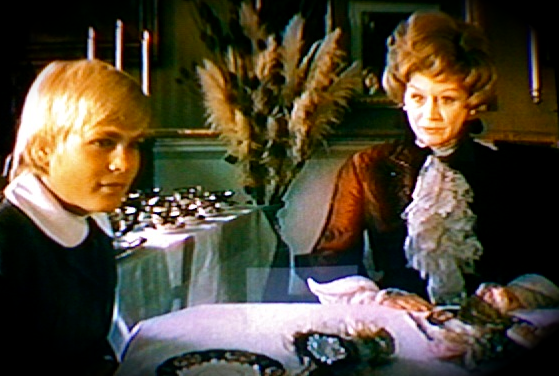
Margaret Leighton in The Go-Between
Damion - More out of a V.C. Andrews novel than an Edwardian period piece, Leighton is positively monstrous and rather flat here as she channels her best Wicked Witch. She does not even build to the terror… just charges in with no delicacy or class...
Matt -
Losey relegates Leighton to the background, and there’s nothing memorable about her Mrs. Maudsley – not a nuance, inflection, gesture, line reading, facial expression, acting choice, or bit of business. The rationale behind nominating this non-performance is as bewilderingly oblique as most Losey films themselves...
JJ -
From the opening credits, I wanted this movie to end. So I'm grateful to Leighton for using her lethal aristocratic prowess to insist upon some kind of conflict and climax. She's way at the edge of actressing here. We could've used her more toward the center...
Nick - Leighton knows everything before the audience does. Her tasks throughout are to express shame, anger, and denial—high breeding under siege—which she does with boldness and color, but she’s much too theatrical. A clichéd arc, played memorably but too fussily for the camera...
Middento - Solid, fiery and sure in what would otherwise be an undercooked performance, Leighton seems to be the only grown-up in a movie where everyone seems stunted. The best scenes are when the camera catches her face communicating what she dares not say. Yet even she can’t anchor this film, which seems wispier than it’s meant to be...
JamesHenry - Her early scenes are merely perfunctory, but those final two or three- wowza. Leighton rips through them with a scary intensity only matched by Dame Judi Dench and Glenn Close...
Aaron - Mrs. Maudsley is a sideline character until the film's final minutes, at which point Leighton takes focus and knocks the movie out of the park. Transforming from the contained lady of the manor to a fearsome, terrible force of nature, she's this film's real black magic...
StinkyLulu - Leighton smartly imbues Mrs. Maudsley with a mercenary determination, calibrating a refined tension that veils her stealthy construction of the scaffolding necessary for the film’s climactic, revelatory confrontation...
Ken - Leighton’s Lady Maudsley conveys a multitude of impressions – gracious, inflexible, penetrating, tense, tender, cruel, hysterical – with an expertise that keeps them all mutually compatible. Gradually – and powerfully - reveals her presence at the edge of the proceedings to be, in fact, dead center...
TOTAL: (23)

Oscar chose...
Cloris Leachman in
The Last Picture Show
!

And, despite a wide divergence of articulate opinions
(check out how many performances rated the full span of hearts),
the SMACKDOWNing boys have agreed:
Cloris, it's you, baby, it's you!
So, lovely reader, this Smackdown proved to be quite a tight race, inspiring both great disagreement and what seems to be a clear consensus (the Smackdown's "winner" is the single performance to receive only 3-heart rankings and above). But what's your take? Toss your thoughts onto the pile & tell the Smackdowners what YOU think!

Ann-Margret in Carnal Knowledge (1971) - Supporting Actress Sundays

The category of Supporting Actress often provides a really "supportive" platform upon which performers can receive acknowledgment for branching out, for spreading their wings, for proving their versatility, for demonstrating that they really do have the chops. It's part of what I love about the category -- the opportunity to see performers at what are occasionally watershed moments in their careers. However, time is not always kind to these "breakthrough" moments. Sometimes when the contemporary shock wears off, the seams really show, as this week's actress at the edges...

approximately 21 minutes and 32 seconds
11 scenes
roughly 22% of film's total running time

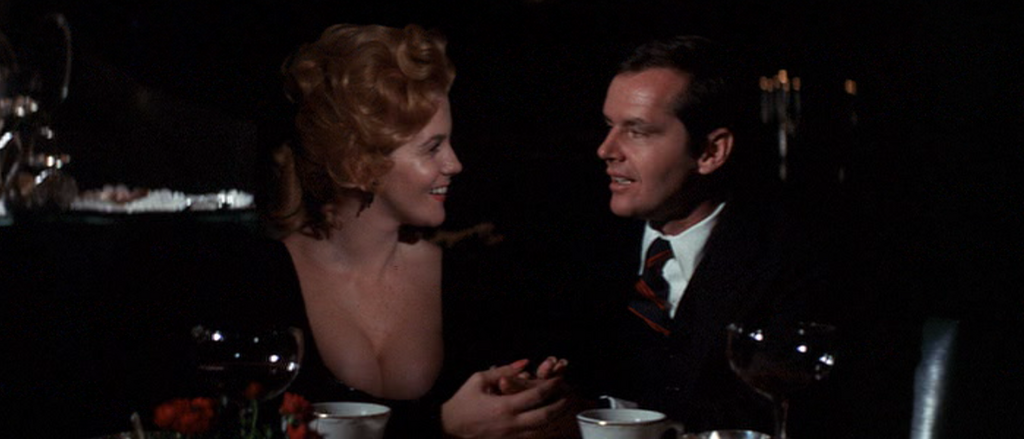
Ann-Margret plays Bobbie, a groovy goodtime gal with crazy curves who happens to be pushing thirty as she hooks up with Jonathan Fuerst (Jack Nicholson, in an implausibly sexy, incredibly loathsome turn as a ladykiller who seems entirely capable of one day living up to the title, literally).

Ann-Margret's Bobbie is (the script tells us) loads of fun...a perfect Playmate, if you will. An actress/model, Bobbie's neither too smart nor too dumb, she's not the marrying kind, and she's stacked with enough junk in the trunk to balance the funbags up top. (Forgive the crass parlance, but the previous statement is merely a contemporization of a speech Nicholson's Jonathan gives in the scene immediately prior to Bobbie's introduction.) Plus, she knows how to have a real good time.

Bobbie's babeness is just the beginning for, soon, Bobbie and Jonathan are enmeshed in a giddy erotic companionship that shifts from a one night stand to one of the one-year variety. And, of course, Bobbie's the one to start bringing up things like "shacking up" and the compromises of commitment (which Nicholson's Jonathan greets with surly, possessive resentment) begin to corrupt the freewheeling fun of their bond. Quickly, Jonathan's fantasy Playmate transforms -- at least in his eyes -- into a dumpy shrew, with Bobbie quickly drowning in the despair of a pathetic domesticity.

On some levels, the pairing (Bobbie and Jonathan; Ann-Margret and Nicholson) is formidable and fascinating. The characters are as equals -- sexual players who discover a kind of impossible compatibility -- and the performers are too -- intensely charismatic personas capable of indelible screen work. And to an extent, the pairing works. Ann-Margret is the ideal kind of actress to play opposite Nicholson (an actor known for playing "against" his co-stars), her tropical storm a formidable front against Hurricane Jack.

And on a couple scores, Ann-Margret nails it. The intensity of her Bobbie's vulnerability is palpable. Her sex appeal is inhabited not adorned. Her charisma is organic, inevitable, unstoppable.

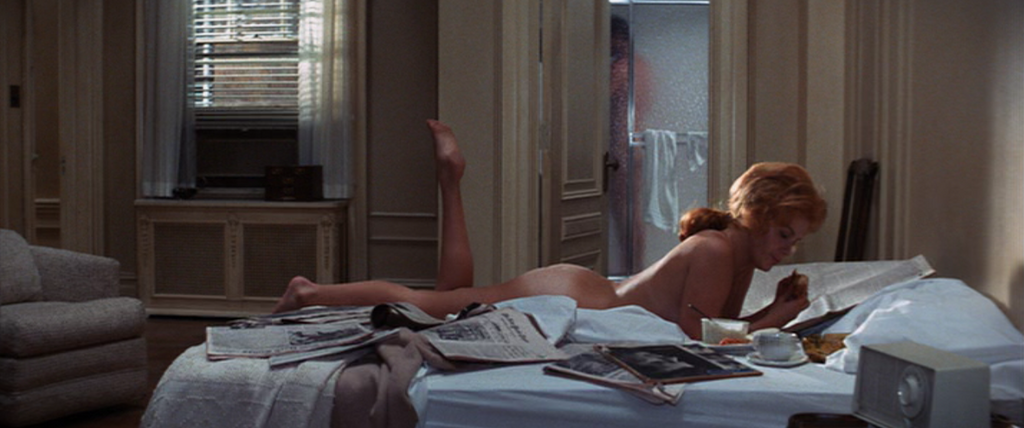
But (and here I've finally figured out why Ann-Margret isn't more of a camp icon) Ann-Margret is no fun. Her Bobbie is utterly humorless, despite the fact that she's supposed to be all kinds of laughs (and despite the fast that she is mildy amusing in the one jokey scene the script gives her - a doctor/nurse shower sketch that plays like a Playboy cartoon come to life). Her Bobbie doesn't enjoy being Bobbie but, from the first scene, wants to be someone else. In a fundamental misunderstanding of the character, Ann-Margret's Bobbie emerges as a vixen of physical circumstance rather than personal choice. In and of itself, this would not be a problem, except that the script keeps talking about how much fun Bobbie is and, if we can't appreciate the fact that Bobbie wants to change while Jonathan does not, the story arc becomes an exhausting dead-end.

Without, then, even a whit of wit, Ann-Margret's performance is further hobbled by her inability to handle the language of Jules Feiffer's patter-dense script. Vocally, Ann-Margret seems incapable of nuance unless speaking in a whisper, and her diction devolves as volume and emotion rise. Yes, Ann-Margret can work a pause like a pro but, once she speaks, any mystery and intensity is garbled along with her consonants.

Sadly, Ann-Margret's goopy humorlessness makes no sense of Bobbie, and all that Ann-Margret can do is lapse to what has become her dramatic default -- feral despair -- thus missing Bobbie's character arc entirely. Nichols makes hay from Ann-Margret's intensity, but it doesn't serve either the character or the film.

Ann-Margret's Bobbie is stunt-casting at its most adept. The shock of Bobbie's curves are equal to the frankness of her despair. But in a film loaded with more skilled performances by actresses who can maneuver the dialog to reveal the nominal depths of Feiffer's shallowly misogynist archetypes (Rita Moreno just "blows" the roof off in an incredible, scary cameo), Ann-Margret's way out of her depth, adding another bold misfire to a career full of same.

8.24.2007

"The Seat of Education" (Homo Heritage Fridays)

from MANDATE - The International Magazine about Men
November 1984, inside front cover.
For details, click the image; then click again to magnify

8.21.2007

To Dos Day

___ Item 1: TRY TO CONTAIN YOUR EXCITEMENT...
...at StinkyLulu's brush with local independent media fame. (Hey. 'Sbetter than the blurb I got last year. Sharing's for suckers.)

___ Item 2: CONTEMPLATE...
...GayProf's sage advice. (For more context on what life in academentia is really like, see this comprehensively accurate post.) My back to school mantra? "Aim for kind, generous, professional detachment." And, then, when that only sorta works, I go read this site.

___ Item 3: ENJOY...
___ Item 4: PLAY...
...Scrabulous with StinkyLulu (Facebook account required). It's my new favoritest thing in the world; one game with Nathaniel and I'm completely obsessed...

___ Item 5: PICK YOUR MAKEOVER...
...from the wonders of hair architecture found atop the class of 1967 at Santa Fe (CA) High School. Shout for your 'do -- use the name of the gal/guy from the Class of '67 who's modeling your new look -- in comments...

___ Item 6: HELP...
...StinkyLulu come up with another scheme for selecting the month for Supporting Actress Sundays. Noting how the voting tends toward the more recent years, certain people have been nagging me for some time to just get autocratic and pick the years I want to watch. Which makes sense, but I do love the surprises and the randomness. To an extent. To the extent of Dances with Wolves. (This month's voting just hurt my feelings.) And hey, lovely reader, when you "force" Dances with Wolves on StinkyLulu, the consequences might just be severe. A bit of background: since the Smackdowns started, I've been using a crackpot "numerology for idiots" scheme to create each list of eligible years. ('71 combines to the number 8 and August is the 8th month, etcetera, etcetera.) I've also put a moratorium on the most recent 10 years. And while I'm not sure I'm ready to abandon the current system quite yet, I am interested if folks have any ideas for alternate mechanisms. So, lovely reader, any clever ideas? Do you like the voting? Do you agree that things are skewing too contemporary? Are there things the current system doesn't attend to? Any suggestions of themes or other coordinating principles for voting? Lu's all ears...

Have at it, lovelies...

8.20.2007

It's That Time Again...

My conflicted feelings about the first day of school
are best expressed through these contrasting screenshots
of two Supporting Actress nominees as they appear
in the opening number of an early 1980s bomb,
now a cult favorite and an essential picture
in StinkyLulu's cinematic biography.


click image/s to be routed to video

8.19.2007

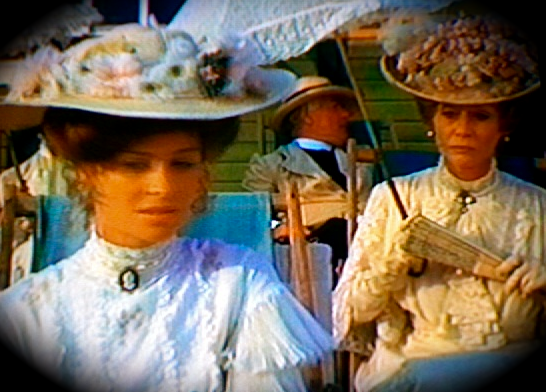
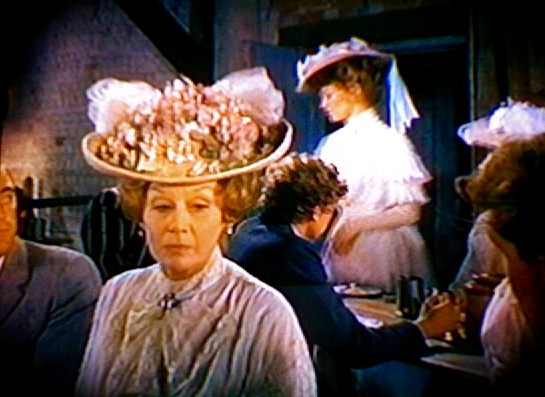
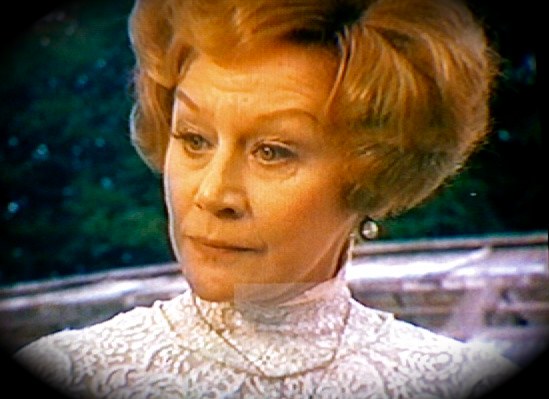
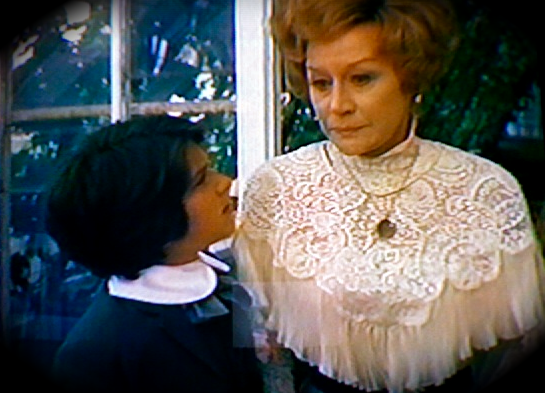
Margaret Leighton in The Go-Between (1971) - Supporting Actress Sundays

Few things are more thrilling, in my passion for actressing at the edges, than those performances that at first seem negligible side characters but who quietly emerge as absolutely essential to the workings of a film. Of course, those theatre-trained actresses are the best at this, witness the work of...

approximately 16 minutes and 37 seconds
15 scenes
roughly 14% of film's total running time

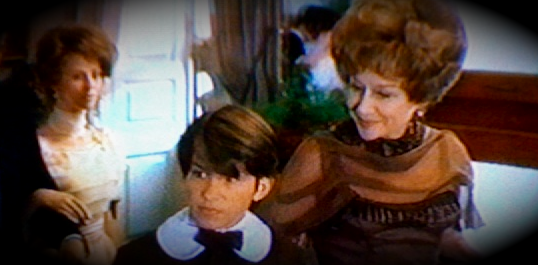
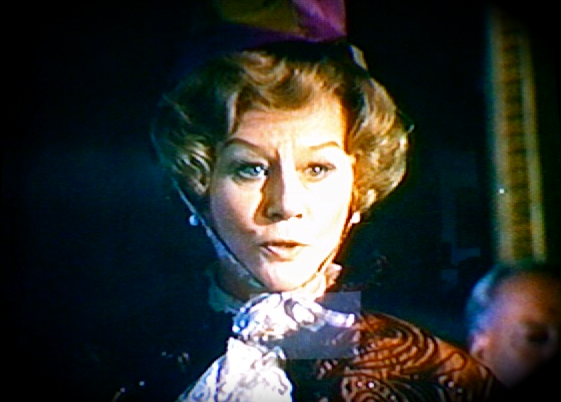
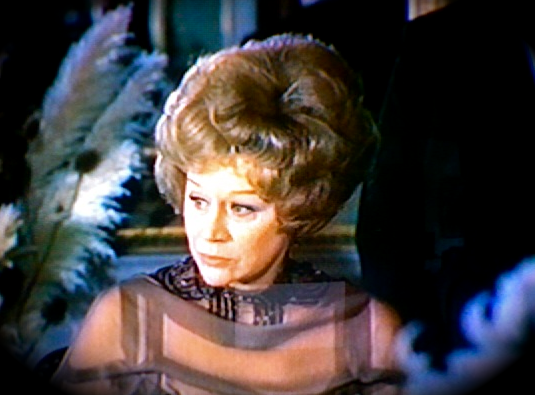
Margaret Leighton plays Mrs. Maudsley, the stiff matriarch of the aristocratic English family with whom the film's young protagonist, Leo (Dominic Guard, in a genuinely effective kid performance), spends one summer in this brutally tense "comedy" of manners (scripted by Harold Pinter, natch).

In the film, the summer's stifling heat layers atop the Maudsley's stultifying daily routines of upper class life, rituals over which Leighton's Mrs. Maudsley rules with a steely gaze and iron will.

The film tells the story of Leo's loss of innocence as he becomes the intermediary in the forbidden romance between Mrs. Maudsley's daughter, Marian (a miscast Julie Christie doing a perfunctory version of her blithe beauty schtick) and a neighboring farmer (Alan Bates at the height of his craggy British hotness). Leo first worships these charismatic adults who bestow upon him their especial attention. Before long, however, Leo becomes cynical to their crass manipulations and begins to toy with the limited power they have vested in him.

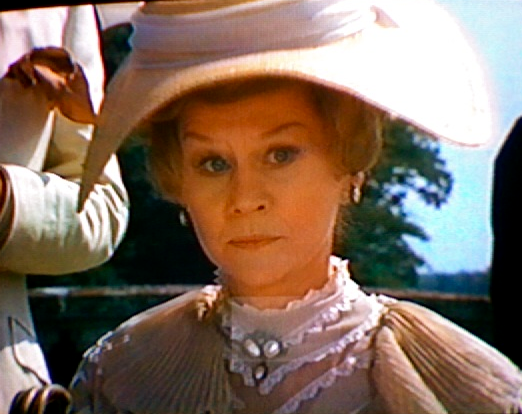
Through most of the film, Leighton's Mrs. Maudsley does most of her actressing from, literally, the edges, from the front of this procession or the back of that scene. But, as she does, her Mrs. Maudsley is ever a formidable presence, the actress's chameleonic features expressing an astonishing array of interior emotions.

Indeed, most of the time, Leighton's Mrs. Maudsley feels more like a casino pit boss than an aristocratic lady of leisure. Her presence is one of surveillance, watching everyone and everything with exacting scrutiny. It's not that Mrs. Maudsley seems to care all that much for her family -- indeed, she regards some with unapologetic disdain -- but that Leighton's Mrs. Maudsley wishes to maintain the respectability and tradition of her family, her class, in an era of social transformation and upheaval.

Leighton's glancing presence in these early scenes subtly conveys the fact that her Mrs. Maudsley clearly takes no pleasure in her social supervisory tasks. Leighton maximizes the clipped, oblique language of Pinter's screenplay to convey Mrs. Maudsley's grim determination in enforcing the social order. It's a thankless job, but Leighton's Mrs. Maudsley knows it's her job to do.

This grim, determined, measured, oblique self-control calibrates the tension in Leighton's performance, quietly preparing us for the seismic cataclysm wrought when Leighton's Lady Maudsley erupts with rage in the film's final act.

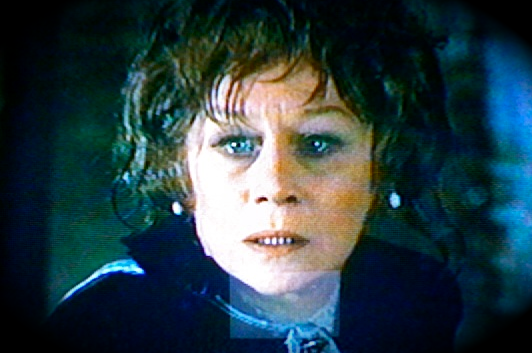
When Lady Maudsley uses the occasion of Leo's thirteenth birthday party to confirm her suspicions, two things become clear. First, that Leighton's Mrs. Maudsley has known all along that Marian was up to this particular something and, second, that Mrs. Maudsley is willing to sacrifice the boy, the farmer, her daughter and even her own pride to protect and preserve Britain's social order. Her husband and future son-in-law might lead battles throughout the crumbling British empire, but Lady Maudsley is the most formidable general on this homefront. (And you don't want to get in her way when she's on assault...)

Leighton's entire performance builds toward the plot's revelatory confrontation. Each flaring glance, each stifled gasp, is as scaffolding for this discovery -- the architecture for the character's concentrated climactic sequence of scenes. No wasted effort, no lapse in purpose -- Leighton's every gesture in service toward the display of Mrs. Maudsley's genteel rage (and devastating discovery) in her final scenes.

The film's brief denouement, from which the character of Mrs. Maudsley is entirely absent, illuminates just how instrumental Margaret Leighton's performance is to the film. You know that dull buzz of nearly intolerable anxiety that permeates this whole film? Well that's all the doing of Leighton's Mrs. Maudsley; she's the one that's been stoking the tension that impels the action of the entire film.

Leighton's incredibly potent performance is an elegant, understated example of just how much work some actresses accomplish at the edges...

8.17.2007

"Make Plans With Daniel" (Homo Heritage Fridays)

from HONCHO - The Magazine For The Macho Male
December 1983, page 56.
For details, click the image; then click again to magnify

8.14.2007

To Dos Day

___ Item 1: TRY TO CONTAIN YOURSELF...
...after the inevitable surge of giddy awe caused by this bit of actress rebellion at the 1968 Oscars. (Via As Little As Possible).

___ Item 2: READ...
...this or that or this other essential commentary about the current crop of presidential wannabes.

___ Item 3: CONFIRM...
...your suspicions about the cause of all the world's problems. (via all sorts of folks)

___ Item 4: CONSIDER...
...joining Actressexuals Anonymous (Facebook account required). The first step is admitting that you share the obsession...

___ Item 5: VOTE...
...for the September roster of Supporting Actress Sundays in the column at top right...

___ Item 6: HELP...
...StinkyLulu build a list of Supporting Actress Slapstick in preparation for the upcoming Slapstick Blogathon over at Film Of The Year. What's your favorite slapstick performances by actresses at the edges? I've been thinking that Joan Cusack's pre-nomination performance in Broadcast News, which I suspect laid the groundwork for her Working Girl nomination, along with her nominated performance in In and Out might make Cusack the most nominated Supporting Slapsticktress. Do you agree? Is Whoopi's Ghost win the only slapstick performance to have taken the Supporting Actress tiara? And what are the best non-nominated, slapstick performances by actresses at the edges? I'm not sure what I'll post about on the day of the blogathon but your input in comments will be greatly helpful...

Have at it, lovelies...

8.13.2007

VOTE: SEPTEMBER's Supporting Actress Sundays!


Oopsie doodle.
I posted the wrong options last night.
Doh. Sorry. Reboot. Start over...

It's that time again...

What year deserves the focus
for SEPTEMBER's month of
Supporting Actress Sundays?

Your nominees for SEPTEMBER are:

  • 1945: Eve Arden in Mildred Pierce, Ann Blyth in Mildred Pierce, Angela Lansbury in The Picture of Dorian Gray, Joan Lorring in The Corn Is Green, Anne Revere in National Velvet.
  • 1954: Nina Foch in Executive Suite, Katy Jurado in Broken Lance, Eva Marie Saint in On the Waterfront, Jan Sterling in The High and The Mighty, Clair Trevor in The High and The Mighty.
  • 1963: Diane Cilento in Tom Jones, Edith Evans in Tom Jones, Joyce Redman in Tom Jones, Margaret Rutherford in The V.I.P.S., Lilia Skala in Lilies of the Field.
  • 1972: Jeannie Berlin in The Heartbreak Kid, Eileen Heckart in Butterflies Are Free, Geraldine Page in Pete 'n' Tillie, Susan Tyrell in Fat City, Shelley Winters in The Poseidon Adventure.
  • 1981: Melinda Dillon in Absence of Malice, Jane Fonda in On Golden Pond, Joan Hackett in Only When I Laugh, Elizabeth McGovern in Ragtime, Maureen Stapleton in Reds.
  • 1990: Annette Bening in The Grifters, Lorraine Bracco in GoodFellas, Whoopi Goldberg in Ghost, Diane Ladd in Wild at Heart, Mary McDonnell in Dances With Wolves.
The choice is yours...

Let your voice be heard by voting in the column at right.