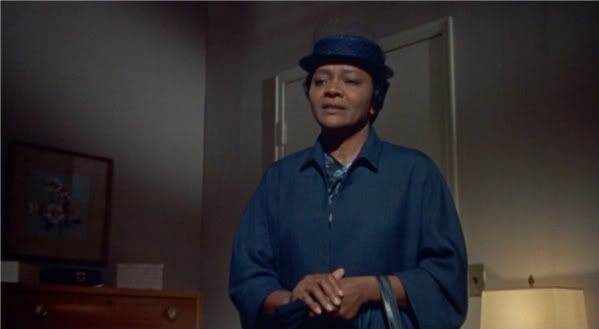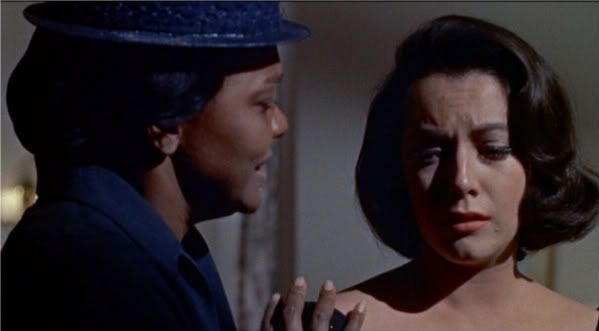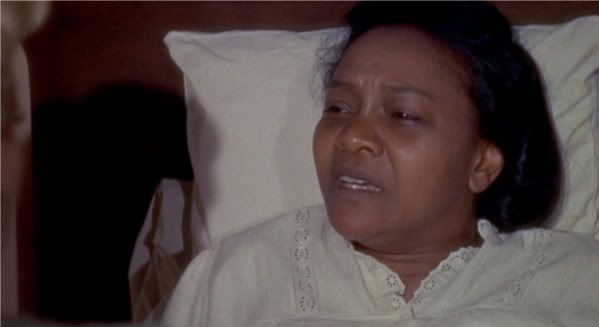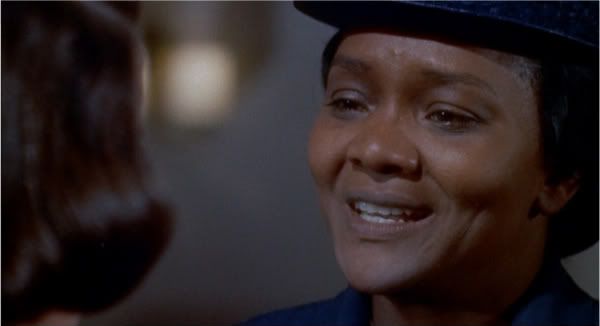
 "Actressing at the edges" emerged almost inadvertently as my descriptive catchphrase for what I'm most fascinated by in the Supporting Actress category. It evokes what I love most about watching certain performers on screen -- their ability to make the most of whatever they're given to do onscreen in ways that suit the character, the situation and the film. I love scenestealers, to be sure, but great actressing at the edges isn't really about yanking focus -- it's about transforming the limits of a role (nominal screentime, scripted cliches, banal stereotypes, etc) into unanticipated possibilities. And I can think of few better examples of someone turning such scripted limits into unforeseen performance possibility than...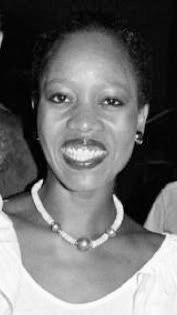

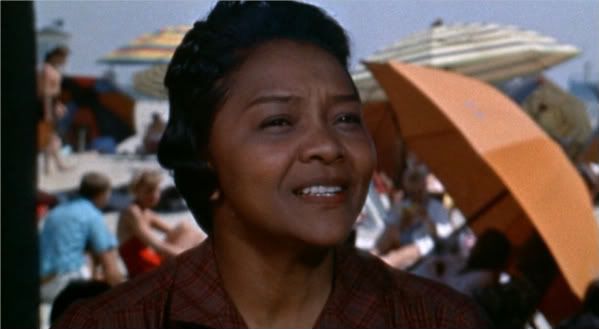
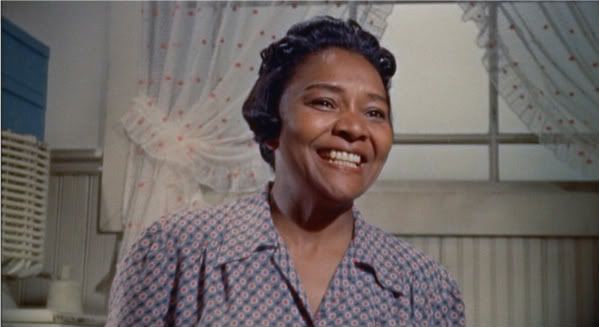
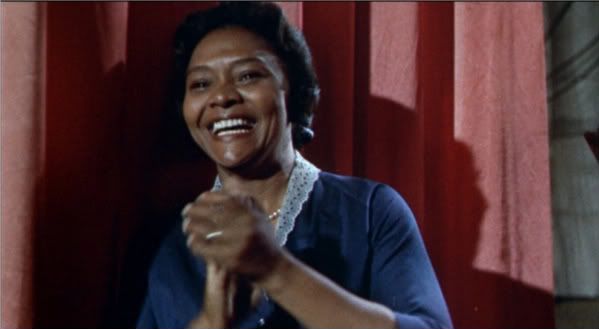
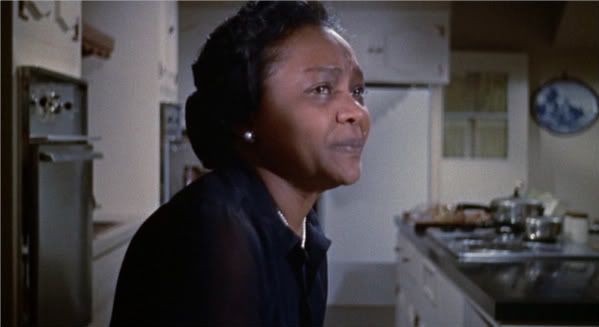
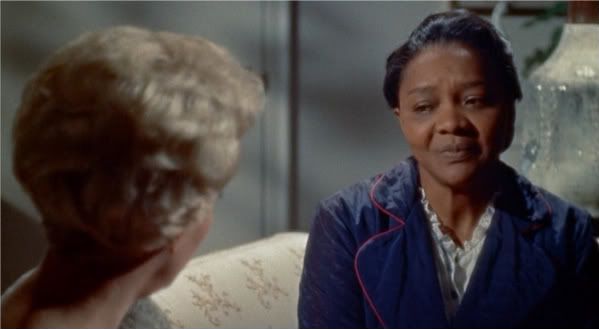
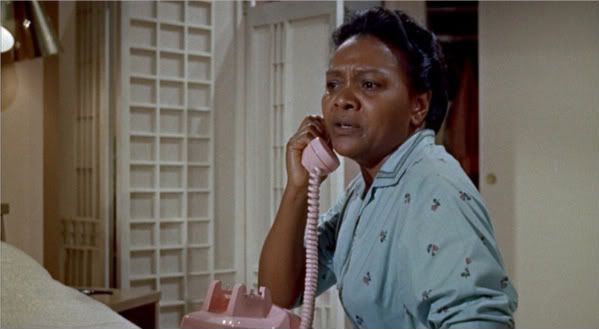
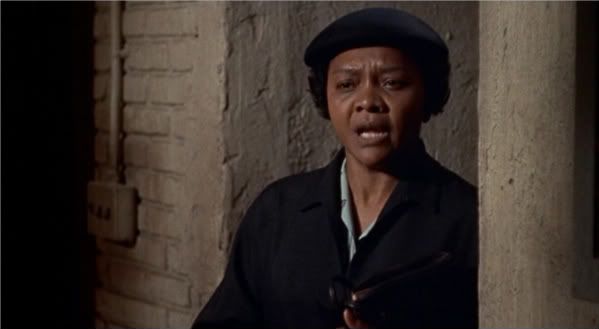
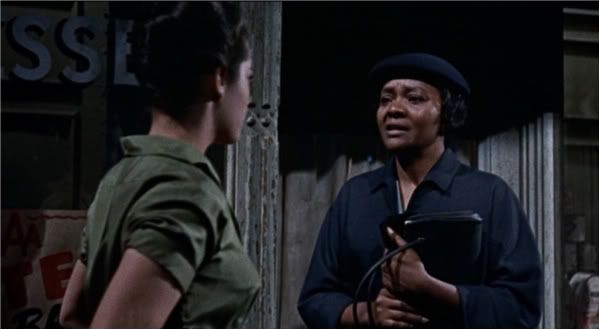
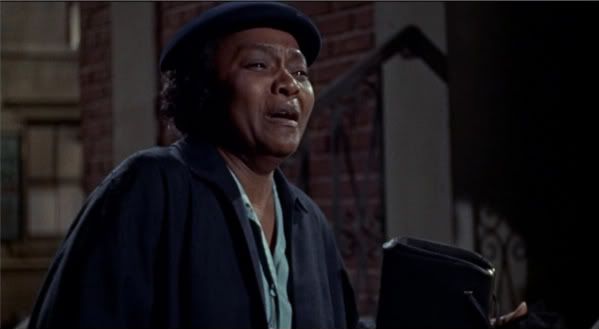
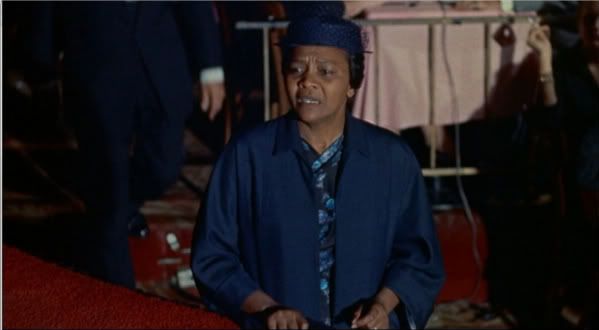
...Alfre Woodard in Cross Creek (1983)
approximately 17 minutes and 48 seconds
20 scenes
roughly 15% of film's total running time
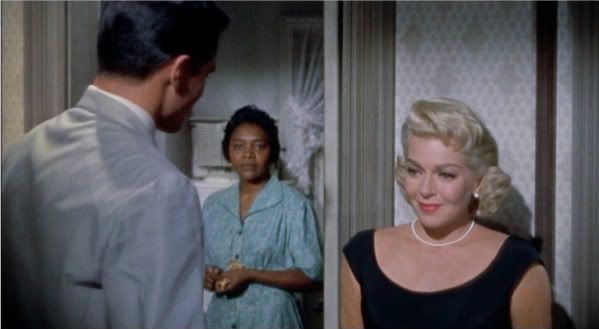
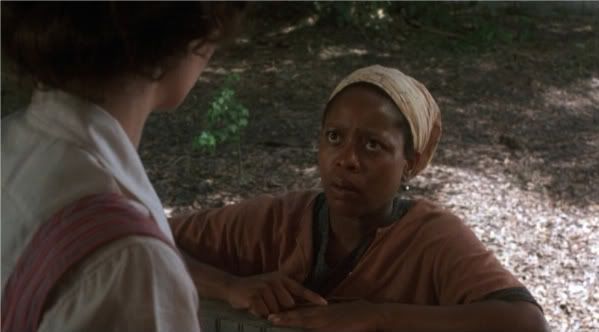 Marjorie's arrival -- as an apparently wealthy and well-mannered single woman -- to the (literally) backwater community causes a flutter of interest, most notably that of Woodard's Geechee who arrives inquiring about job. Woodard's Geechee wheedles her way into a position as Rawlings's maid, mostly by pretending not to understand Marjorie's painfully polite demurrals as she gregariously chatters on and on. The combination easily erodes down Marjorie's feints at resistance and also lays the foundation for what becomes a foundational relationship for Marjorie's life in Cross Creek.
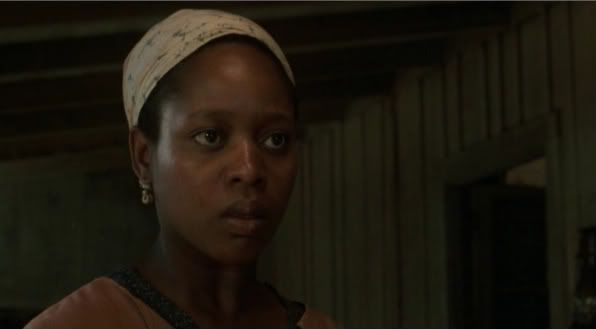 Among the handful of Cross Creek denizens that the film depicts as shaping the writer's vision of her world -- the poor white family who are in so many ways up the creek; the proud hired man and his pregnant wife; the moonshiner; the child whose choice to make a pet of an orphaned fawn became the inspiration for Rawlings's Pulitzer-Prize winning novel The Yearling; the hotelier Norton Baskin who would become her husband -- Geechee emerges as perhaps Rawlings's most intimate friend. As I understand it, the figure of Geechee in the cinematic treatment of Marjorie Kinnan Rawlings's story is a composite based upon lives of several maids who worked for the writer throughout her time on Cross Creek. I don't know enough about the Rawlings story to know which elements came from what, but this little bit of trivia amplifies what I admire most about Woodard's work in the role of Geechee.
 The role of Geechee is laden with racial cliche. She's poor, unsophisticated, deferential, devoted to her white employer and provides some of the film's few flashes of comic relief. To her credit, and to the credit of the filmmakers, however, Woodard utilizes such cartoonish character traits as the broad outlines for what is a boldly independent characterization.
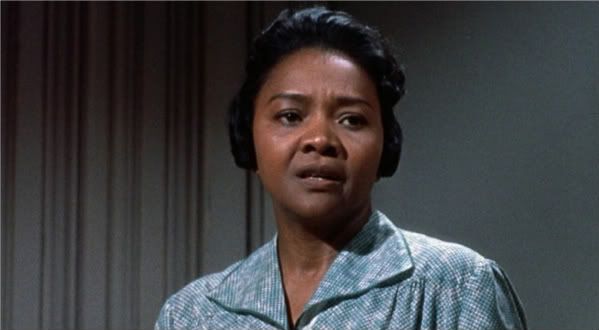
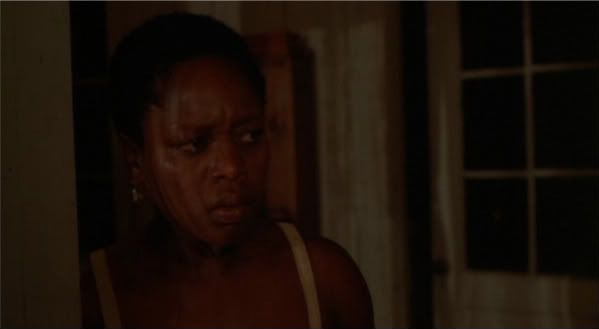 Woodard's characterization establishes Geechee as utterly distinctive person.
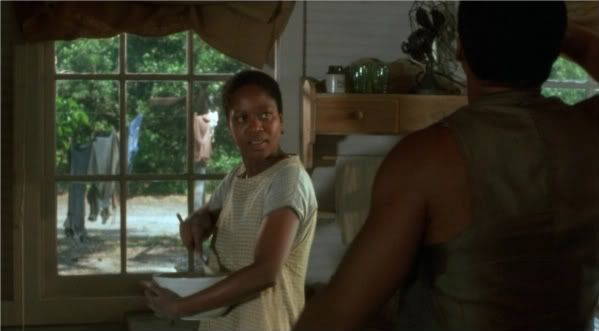 Her work in the role -- the flashes of contradictory emotion that complicate the meaning of her words and actions -- seems to actively resist the cinematic idealization of black servitude. Woodard's Geechee may be this white lady's maid but Woodard's performance reminds us at nearly every turn that Geechee is also a complex individual making complicated choices as a poor, single black woman making a living in the rural south.
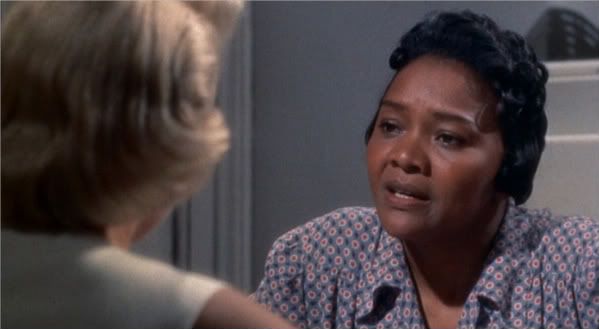
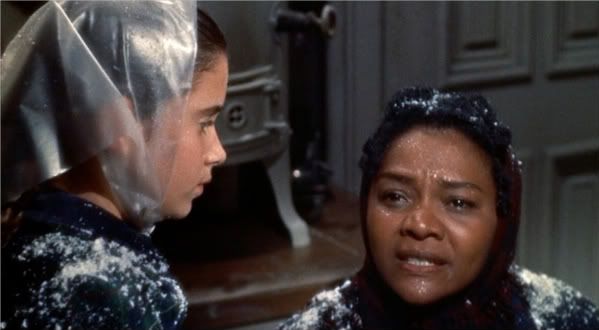
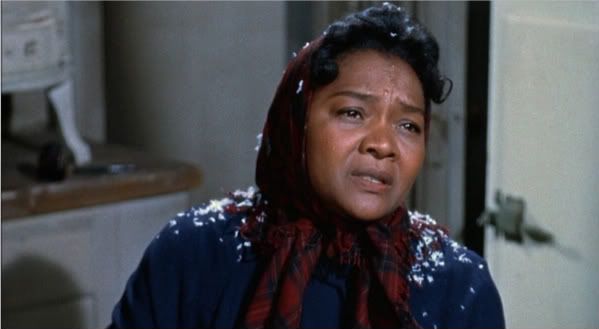
 Woodard's biggest scene elaborates Geechee's dilemma. Marjorie has fired Geechee's layabout ex-con boyfriend, and presumes that Geechee will be leaving with him. Woodard's Geechee confronts Marjorie on this choice, on whether Marjorie wants Geechee to leave and why Marjorie's not speaking up when she sees Geechee making a bad decision. Woodard handles this scene with acute insight. Geechee's challenge to Marjorie works largely because Woodard has already shown Geechee to be independent, strong-willed and fairly bold.
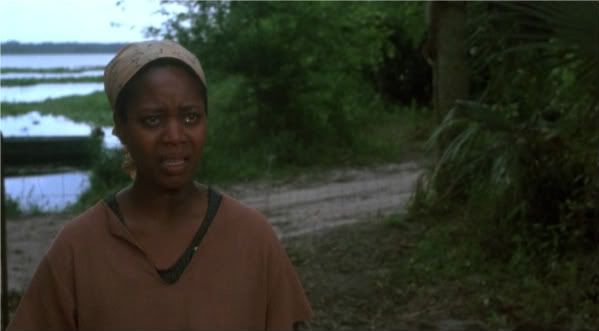 Woodard textures this scene with complex, idiosyncratic emotions that amplify Geechee's clarity as a character, transformed -- not defined -- by her professional relationship with Marjorie.
  Indeed, Woodard's presence in the film is one of Cross Creek's most clarifying threads. The film is one of those writerly pictures where people amble about making pronouncements about the way things are. And, with the exception of her two or three big head-butting scenes with Steenburgen's Marjorie, Woodard's Geechee is largely an ambient presence in the film -- part of the landscape of the film's tribute to Rawlings appreciation of this particular landscape and its denizens.
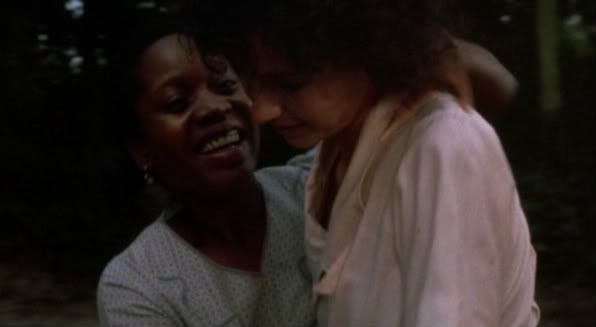 That said, Woodard's work in the role of Geejee is a near perfect example of what I mean when I say "actressing at the edges." There is no reason she needs to be this good in this role. The film certainly doesn't need Geechee to be as human, as complicated, as strange as Woodard makes her here. Plenty of the other supporting players do just fine in Cross Creek, floating on the buoys of familiar stock characters and delivering pleasant, effective but unremarkable performances. Yet, in nearly every scene, Woodard gives Geechee far more than the role requires while maintaining the necessary level of plausibility and the balance of the scene.
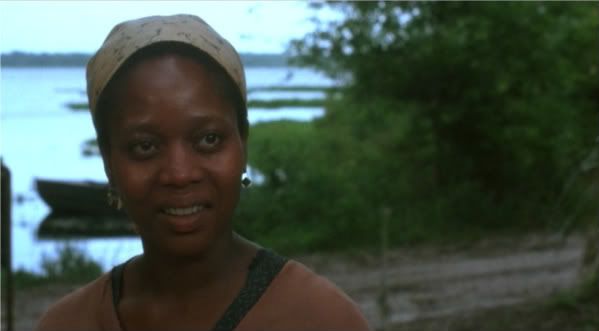 Woodard invests nuance, texture and humanity in what was scripted to be a one-note role. Yet through the combined force of her charisma, empathy and intelligence, Woodard's performance permits us to hear and feel that one-note with uncommon depth and resonance. And that's what actressing at the edges is all about...