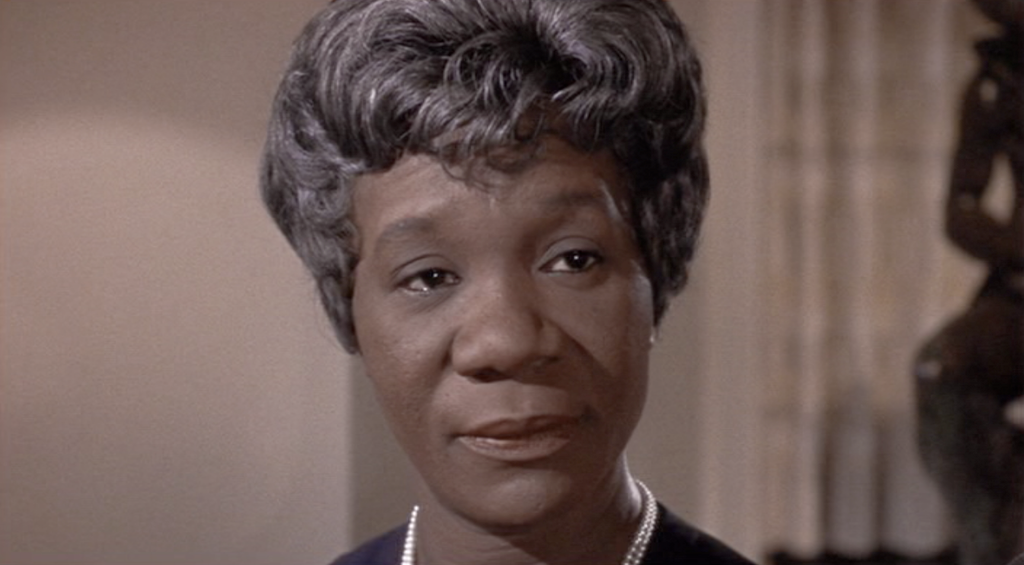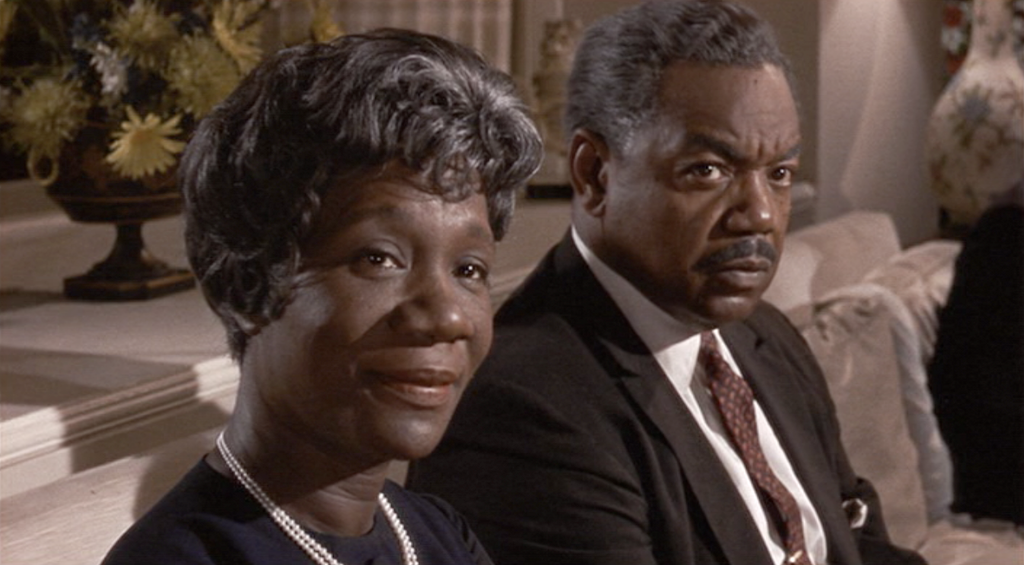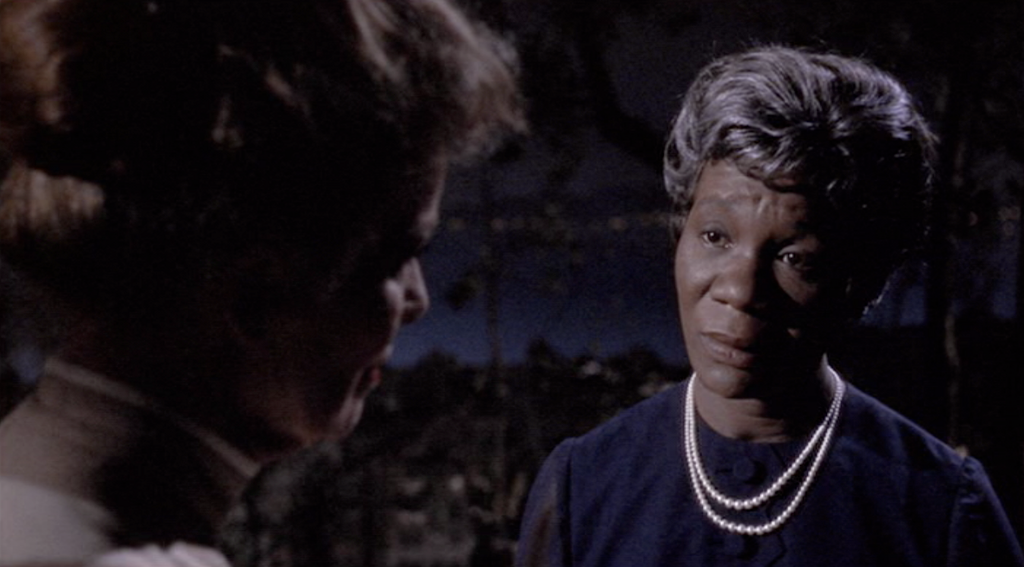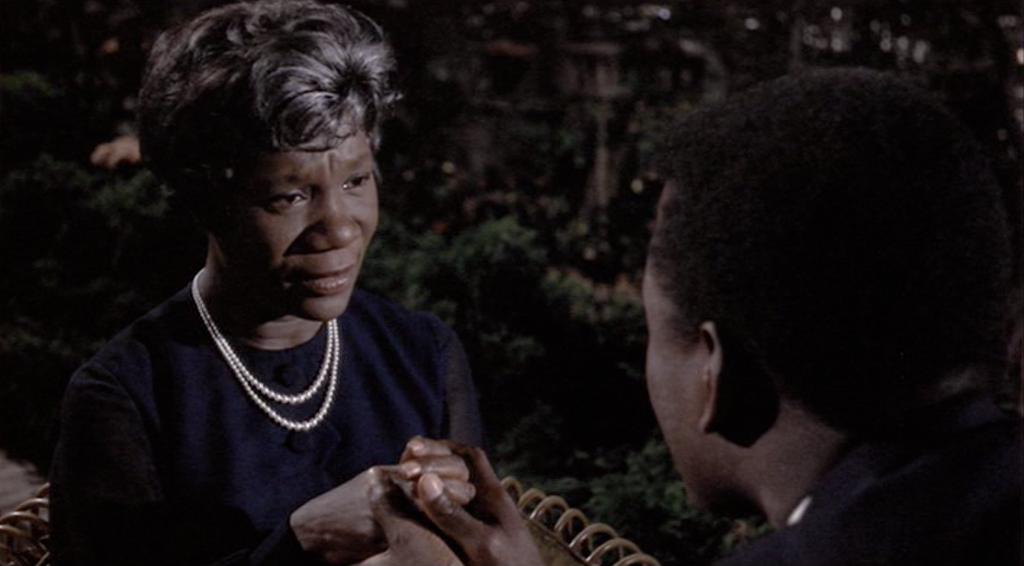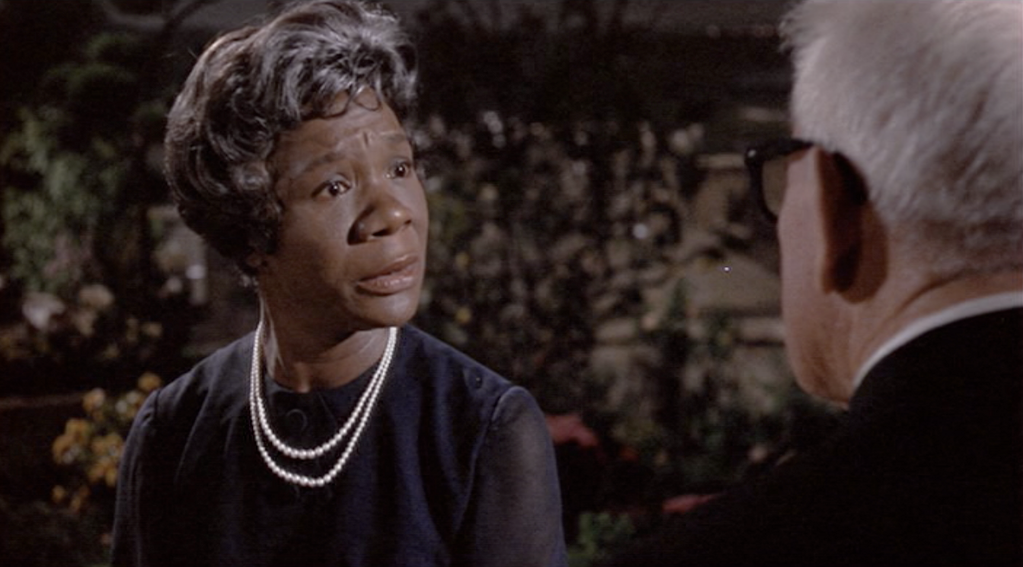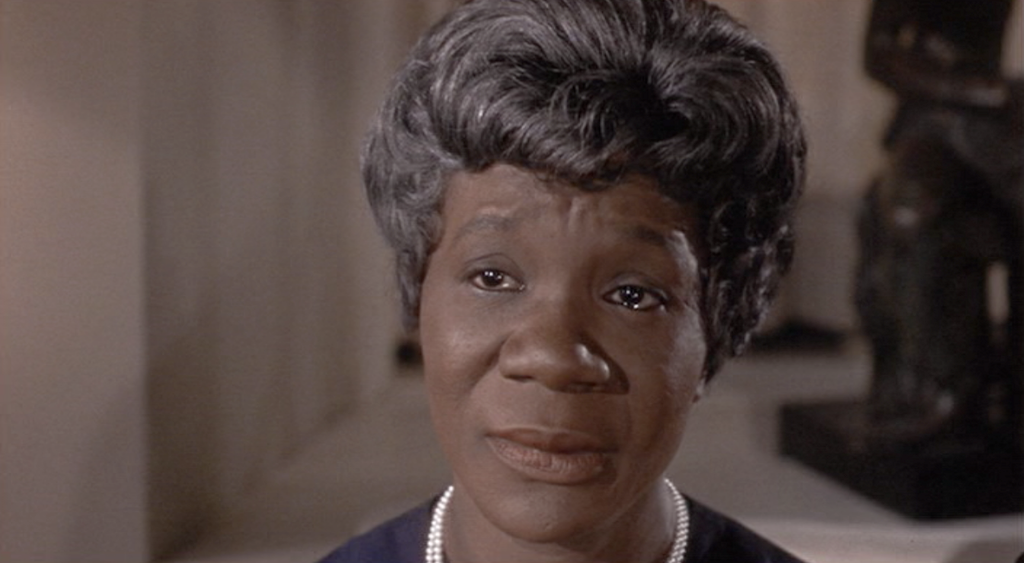
I suppose I should just put my cards on the table: there are a small handful of actresses who I think are just beyond good, who I just love for their ability to make my heart flutter with a sideways glance or an eloquent pause. Notably, few of these actresses are very famous. Most are stage performers (though I've seen few on stage) and their work on film is often scanty and -- not infrequently -- strange. But ooh baby: I do thrill at the work of these women, as I do this week at the performance of...
approximately 14 minutes and 5 seconds
9 scenes
roughly 13% of film's total running time
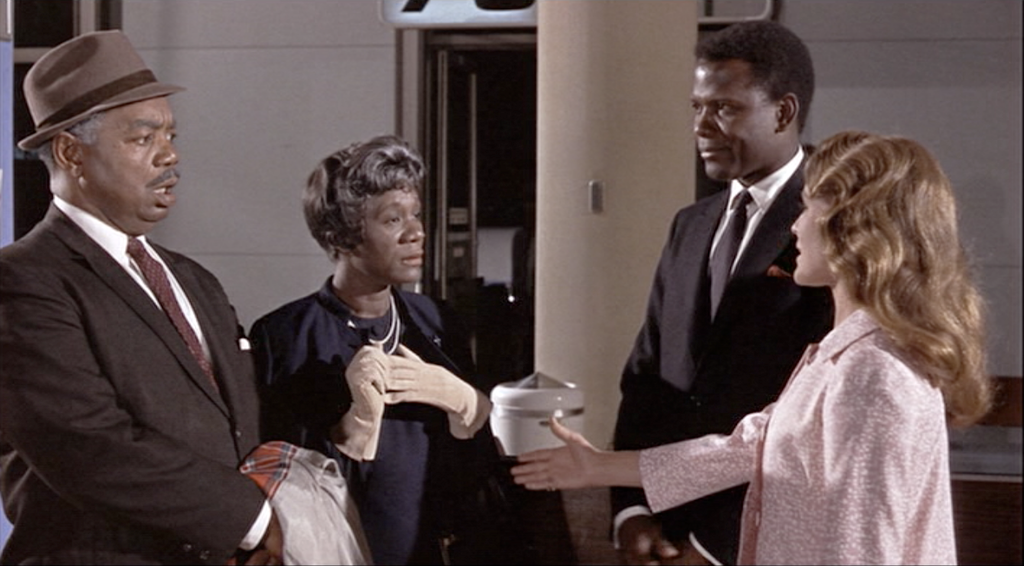
Beah Richards plays Mary Prentice, the self-sacrificing mother of super-Negro John Prentice (Sidney Poitier, in one of his last "ideal Black hero" performances). Richards' Mrs. Prentice -- in a bit of 3rd Act trickery -- has arrived with her husband on a spontaneous trip to San Francisco, excited to meet her beloved son's new beloved, a woman about whom she knows less than nothing.

Of course, her son's intended is a pretty white girl. A fact that leaves both Richards's Mrs. Prentice and her blustering bulldog of a husband flummoxed.

In terms of dramatic structure,
Guess Who's Coming to Dinner is really a farce played as social realism, a two hour "very special episode" of a standard situation comedy (O'Neill Simon, as it were). The piece operates according to a simple arithmetic straight out of ancient comedy: you've got a pair of young lovers whose happiness seems blocked by a matching set of grouchy old men, until the emotional and verbal deftness of a matching pair of tricky servants (here, "the wives") goad and humble the old men into bending to the power of love (or, here, "The Glory of Love" -- the movie's unavoidable, stalker-ish theme song).

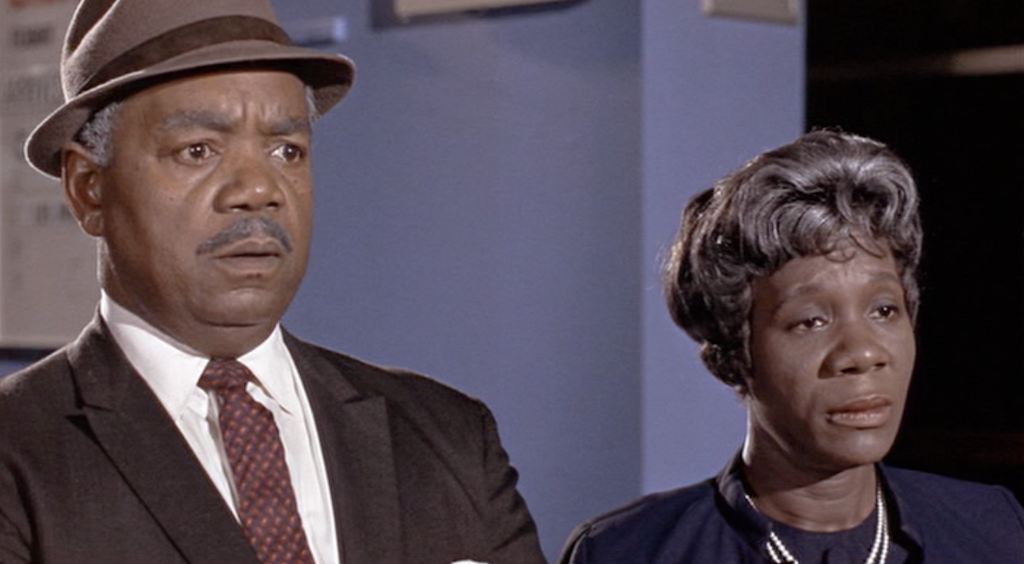
For her part, Beah Richards delivers an economical performance, aptly suited to the dramatic demands of the role. Her Mrs. Prentice is decorous, well-mannered and sturdy with a warbly, whispery voice befitting the character's genteel delicacy.

And it might seem that's all Beah Richards' Mrs. Prentice is: a polite, acquiescent foil to the great white patriarch's character arc. But it's so not...so so so so not.

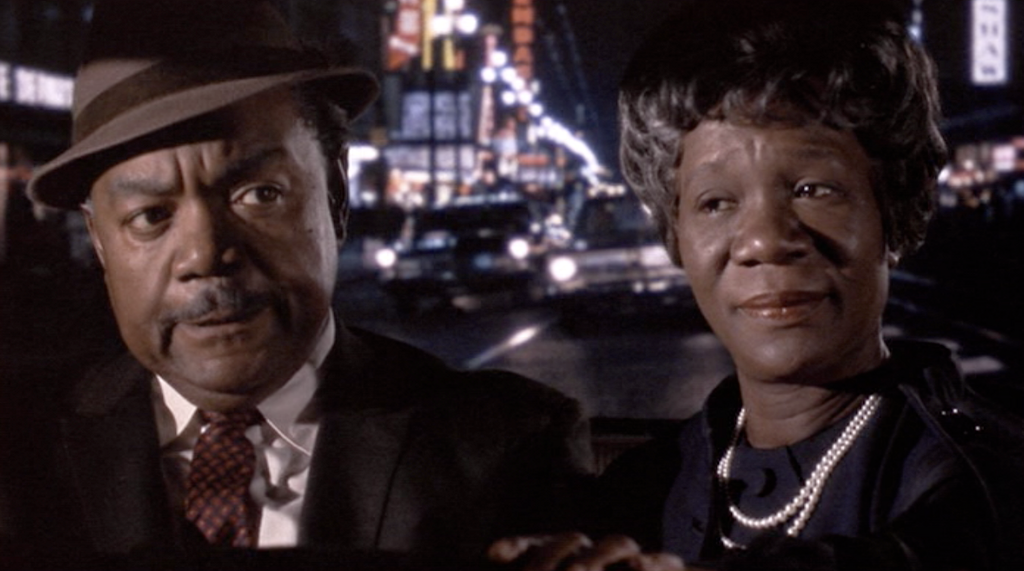
Beah Richards does something remarkable when inhabiting the guise of this seemingly humble and unassuming woman: she makes her real, more real than script even comprehends, by layering tiny reactions that peek around the mask (ie. "the wan, noncommittal smile I wear so as to not frighten the white folks") that she's constructed for the character.

Indeed, the script doesn't afford Mary Prentice much independent reality, but Beah Richards's performance does. In every moment, in all kinds of tiny tiny ways, Beah Richards gives a startling performance, layered with surprising empathy and clarity. More than actressing at the edges, Beah Richards is actressing at the interstices here. And it's heart stopping to watch.

I thrill at the way Beah Richards listens, her gaze flickering ever so slightly as she trolls for information and confirmation...as when she tries to figure out whether Monsignor Ryan is to be trusted or tolerated, as when she watches her son's expression for evidence of the depth of his love, as she tells her husband to stop talking.

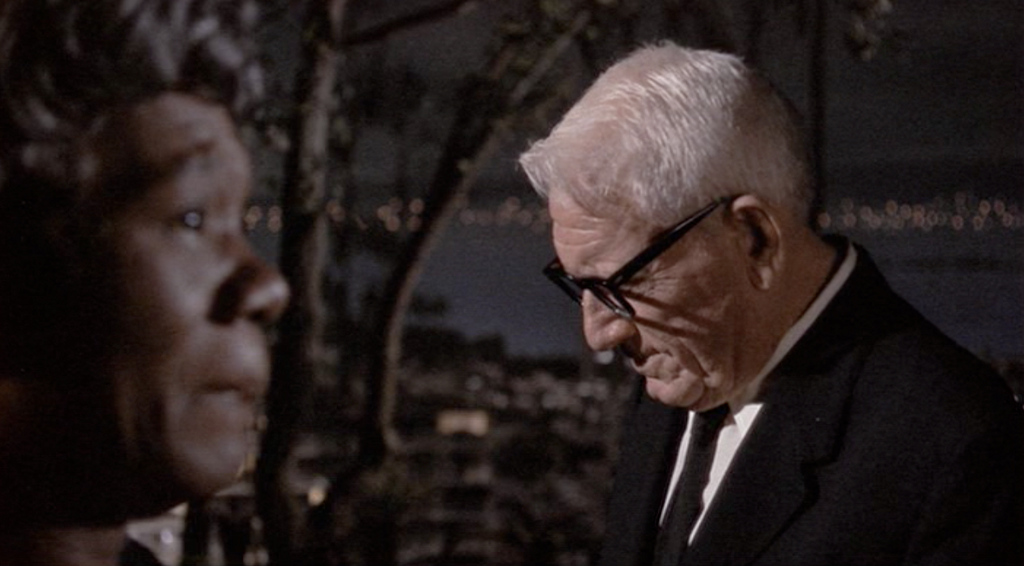
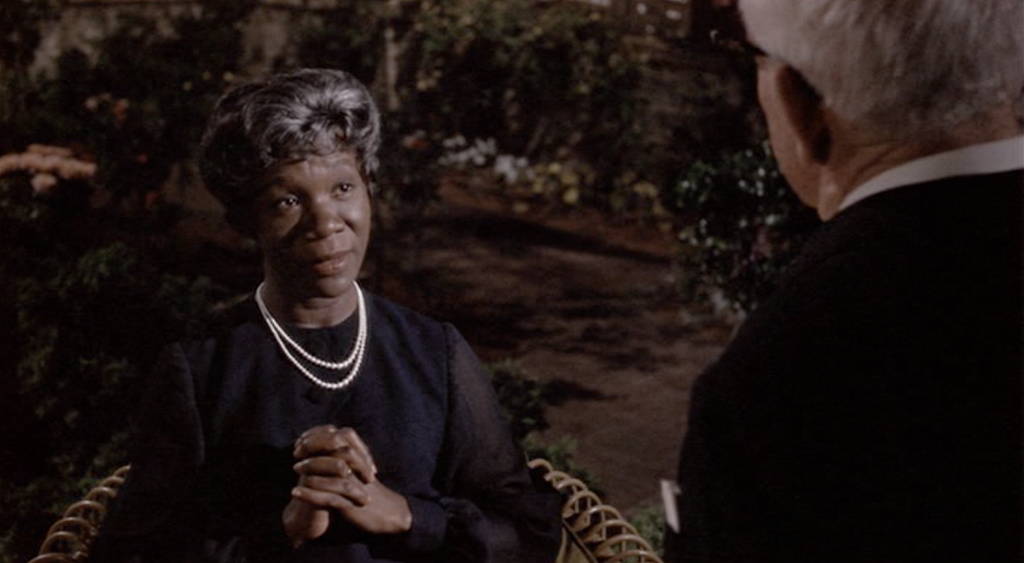
I thrill for every second of Richards's "Shut up, you Spencer Tracy man" speech, a monologue that feels like a dialogue (and not only because the camera doesn't trust the audience to listen to Richards without visual confirmation from the main white man but also because Richards is speaking to a man, not to the air). Richards has a storyteller's gift for using words to weave an aural web that allows the words to mean more than they do and Beah Richards's terrace monologue to Spencer Tracy is (like
Fiona Shaw's final aria in The Black Dahlia) so much more than it might seem on first pass.

But mostly I thrill at the way that Beah Richards understands Mary Prentice, and her dilemma as a woman of the black middle class at midcentury. Richards clearly appreciates that the Prentices are, in their own community, clearly of a comparable stature as the Draytons -- at the top tier of a self-made middle class life -- but also that white middle classness is entirely different than its black counterpart. Richards's performance allows this existential ambiguity to infuse every aspect of her characterization. Her Mary Prentice is -- at each moment -- a black woman in a white man's house, a mother fiercely protecting her son's happiness,
and a woman having an experience unlike any she's ever had before. Richards maneuvers this complicated terrain mindfully, each step and utterance alert to the complexity of Mary Prentice's situation. It's humane actressing, smarter than the role requires but which elevates the entire project in subtle but essential ways.

Beah Richards, barely seven years older than Poitier, maintained a formidable career on the stage well prior to, and well beyond,
Guess Who's Coming to Dinner. Her 1950 play,
Black Woman Speaks, is considered among the first articulations of "the black aesthetic" that would become prioritized in African American theatrical output a decade and a half later. Her stature as a teacher and mentor to other black actors, especially emerging black actresses, is legendary. Her late career roles on tv shows like
Designing Women,
ER and
The Practice -- in roles created explicitly for her by her devoted collaborators -- are testament both to her talents and to her commitment to the community of black theatre artists in Los Angeles in the 1960s, 1970s and 1980s. And her cameo in 1998's
Beloved is one of the more extraordinary and elemental bits of screen acting I've ever seen. It's criminal that the amazing documentary by actress LisaGay Hamilton about Richards (
Beah: A Black Woman Speaks) is not available on home video, but, if it happens to appear on a campus or at a festival near you, do me a favor: don't miss it.

Yes, my appreciation of Beah Richards transcends this role. But, as Mary Prentice in
Guess Who's Coming to Dinner, as in every Richards performance I've seen, Beah Richards's work is itself transcendent.

 End of year festivities, as well as some delightful out of town visitors, have delayed this installment of Supporting Actress Sundays. My apologies, lovely reader. But at long last, I give you...

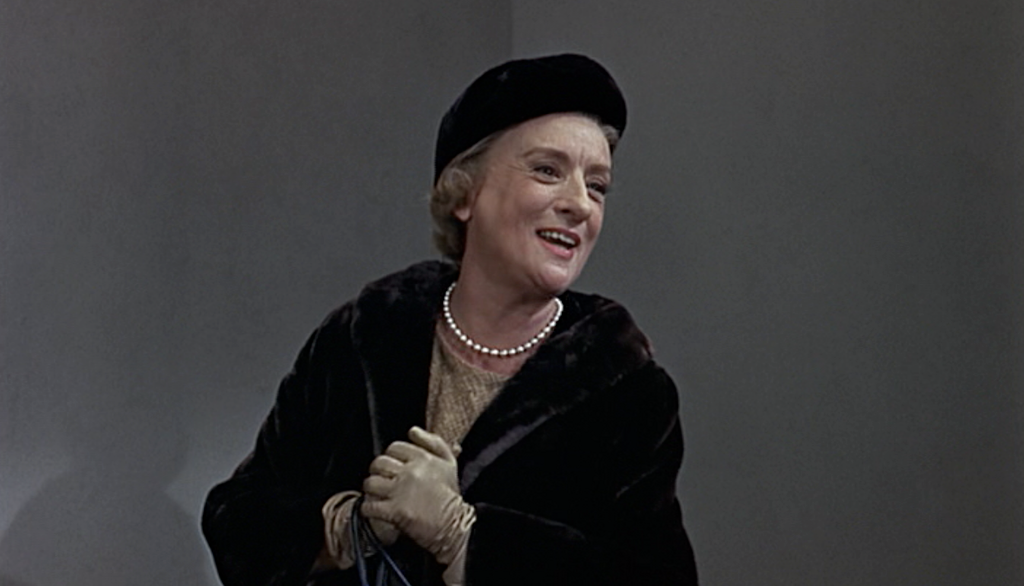 Natwick's Ethel arrives, winded and mildly stunned by the climb, to her newly married daughter's 6th floor walkup apartment, in the fourth (and presumably) funniest enactment of the same joke. It's a lame bit -- ooh, isn't it silly and strange where young people choose to live -- at once apt enough and utterly pat. Yet, Natwick maneuvers this bit with the same humane generosity that she does her every step across the schticky floor of this absolutely effective and utterly banal American standard. And, oh the lame things this script asks Ethel to do...
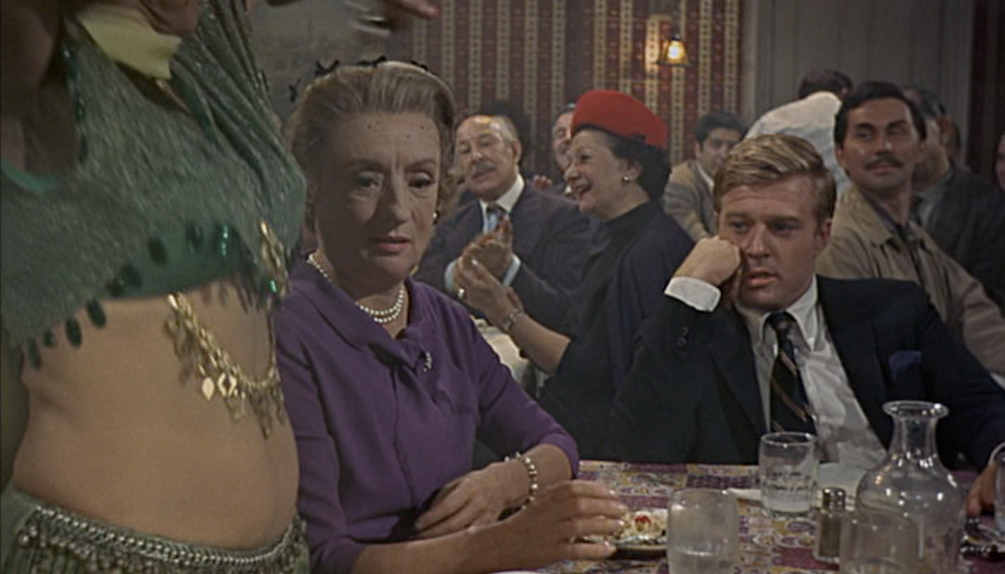 To be mildly flummoxed at an exotic restaurant.
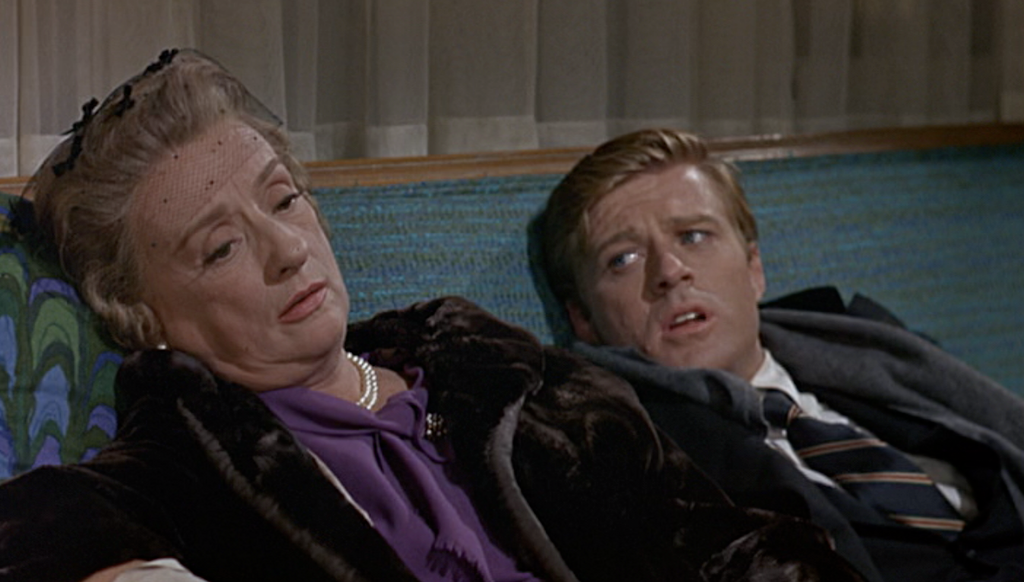 To drink way too much of way too many contradictory liquors.
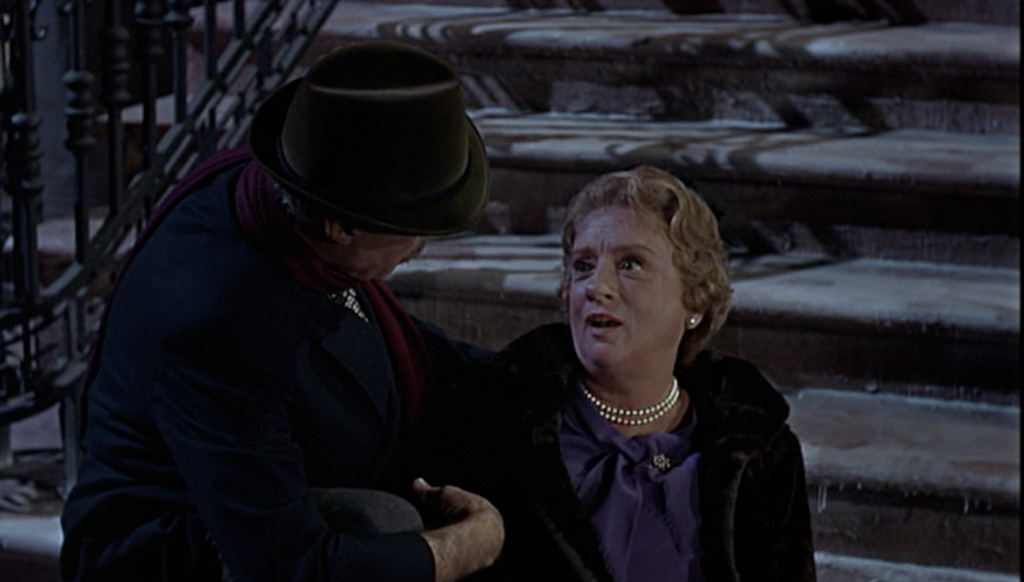 To take a tumble down the stairs.
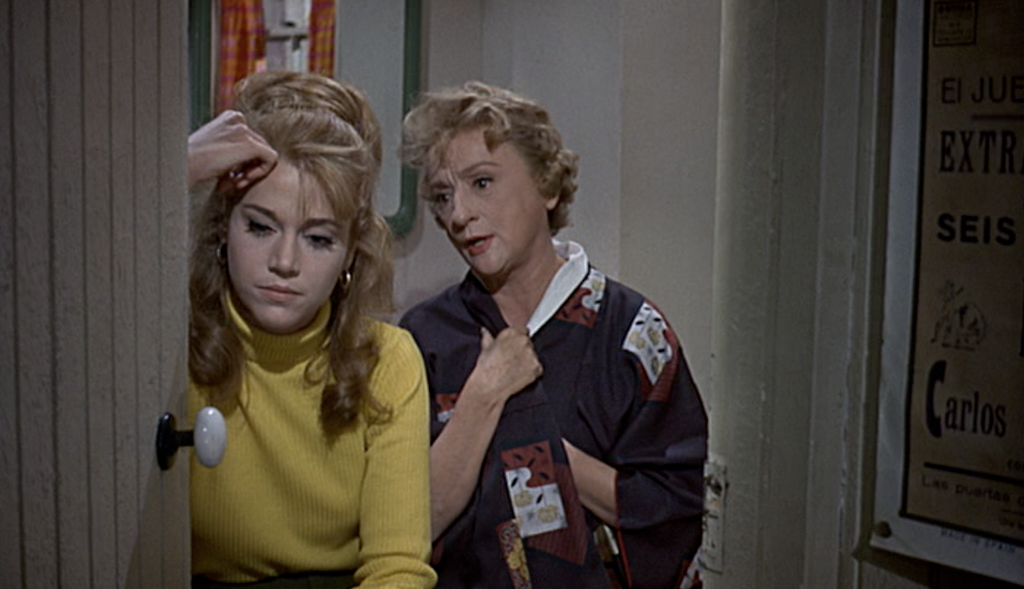 To spent a mysterious night with a mysterious man and wake up wearing his less than mysterious robe.
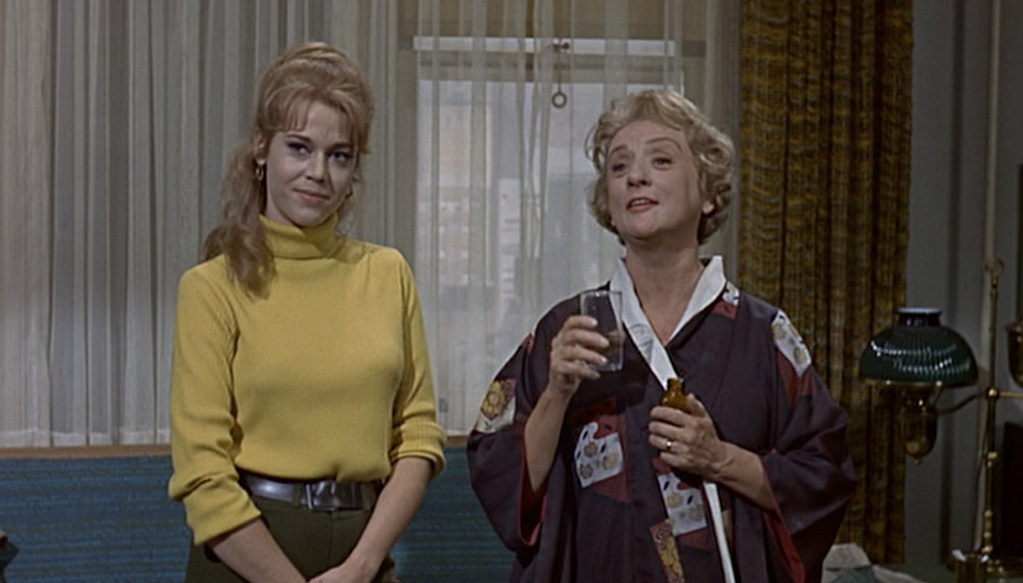 And, to her infinite credit, Mildred Natwick handles every one of these bits with graceful comic aplomb, nailing the comedy of each bit while also sculpting an absolutely credible character arc along the way.
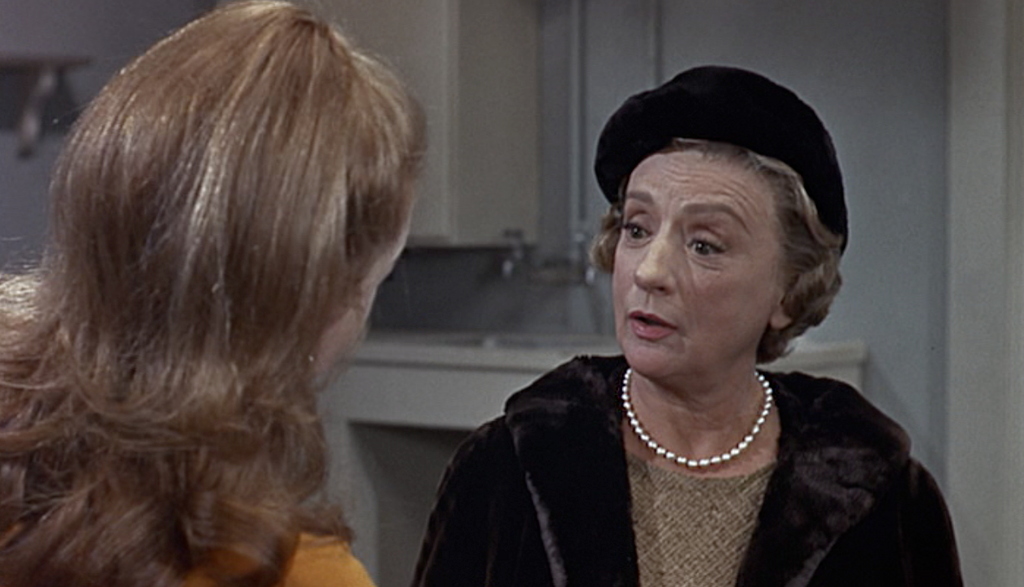 See, Natwick charts this journey with an intelligence implied by, but not explicitly scripted within, the role. A dutiful widow who's recently married off her youngest daughter, Natwick's Ethel begins the role with a resigned, dutiful melancholy; she's happy for her daughter but also sad that her life as a wife and mother is officially over.
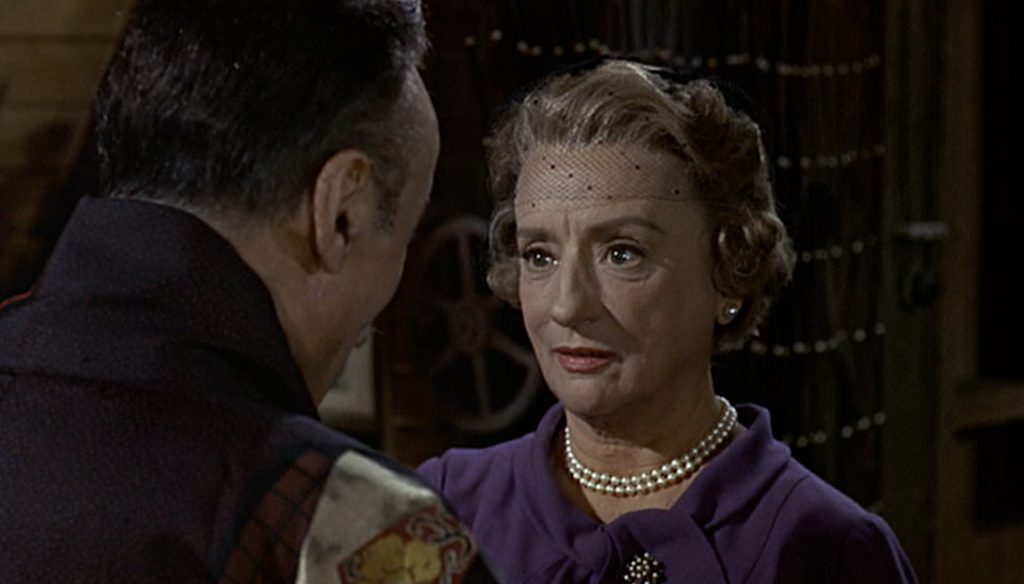 Natwick then spins into a whirlwind of giddy nervousness, as she is propelled on her first "date" in more than 20 years, girlishly worrying about her appearance and gamely going along for what is a very bumpy ride. Finally, Natwick arrives to an exuberant confidence in the worthiness of young love, both for her daughter's new marriage and for herself in a new chapter of life. It's an extraordinary, affirming characterization -- one sculpted at the edges of most every scene.
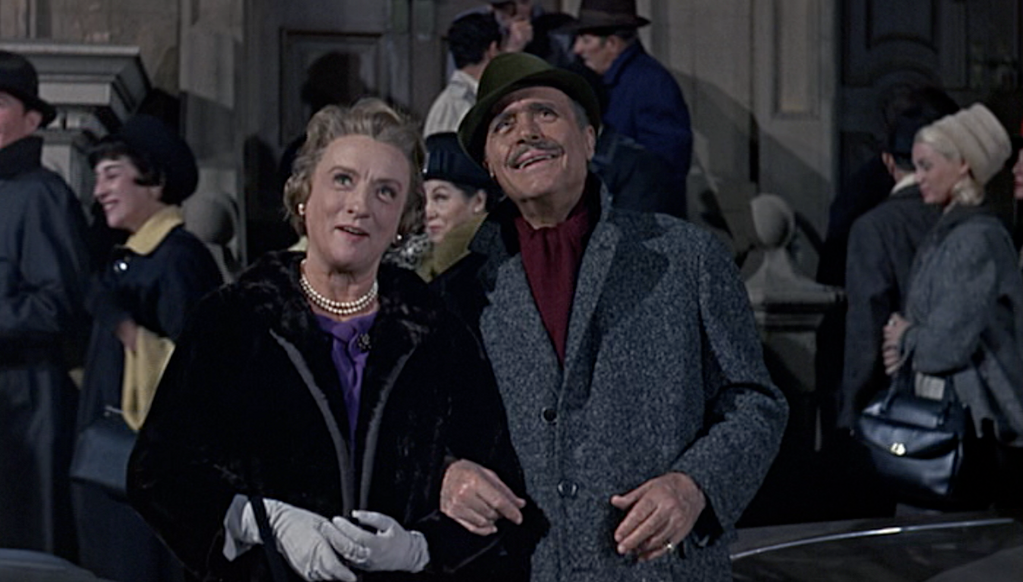 Most every approach to this character I've ever seen hits Ethel hard for broadly comic laughs. Natwick's is the only one I've seen to use the laughs as a scaffolding for a sweetly luminous character arc.
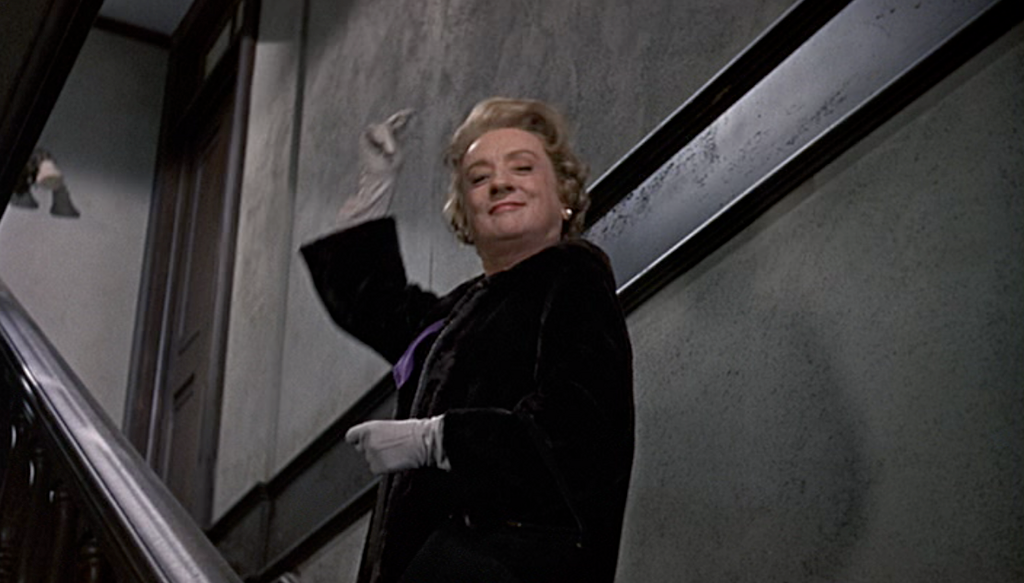 Natwick's Ethel is a sublime example of the alchemy enacted by certain actresses at the edges. The silk purse Natwick spun from the sow's ear of this role? You have to believe it is magic.